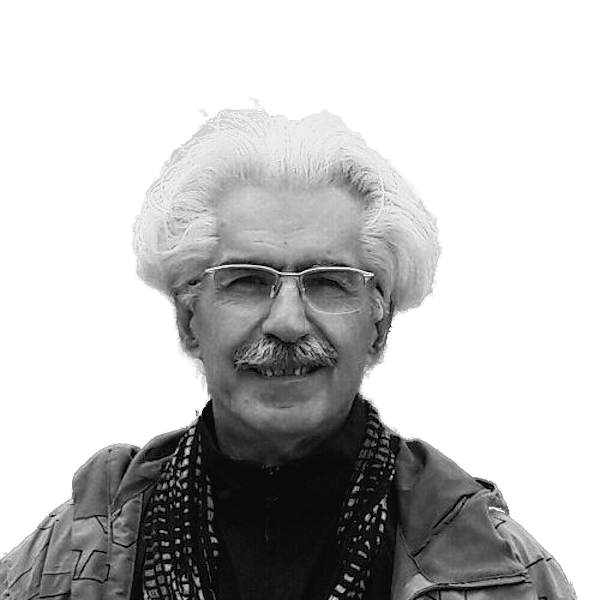
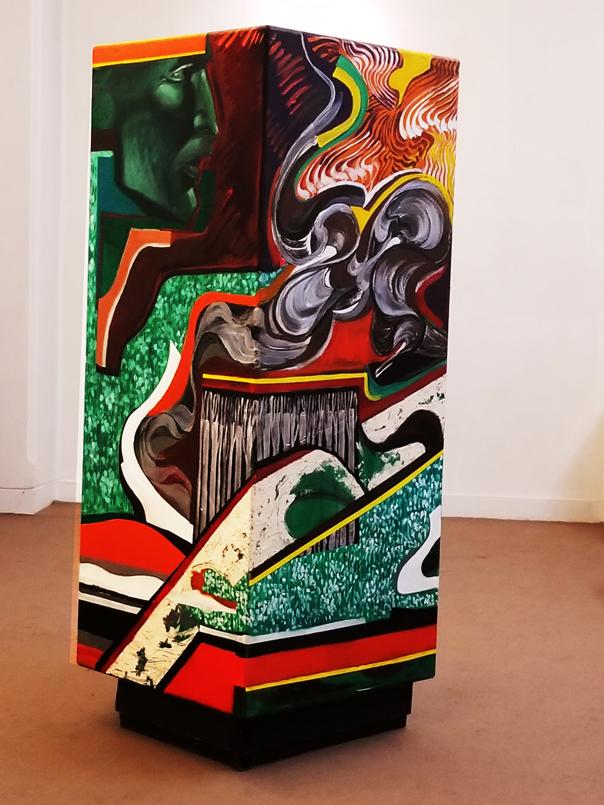
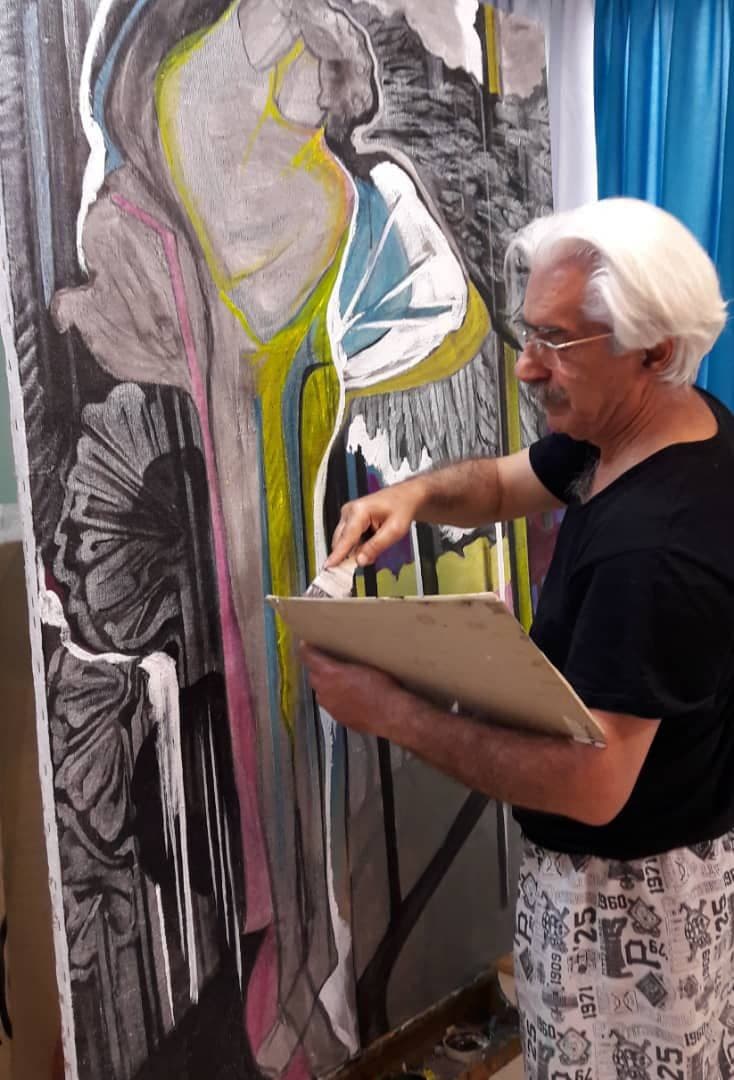
Ali Faramarzi

Prominent Iranian painter, designer, visual arts teacher, and art critic

About

Ali Faramarzi

Iranian painter

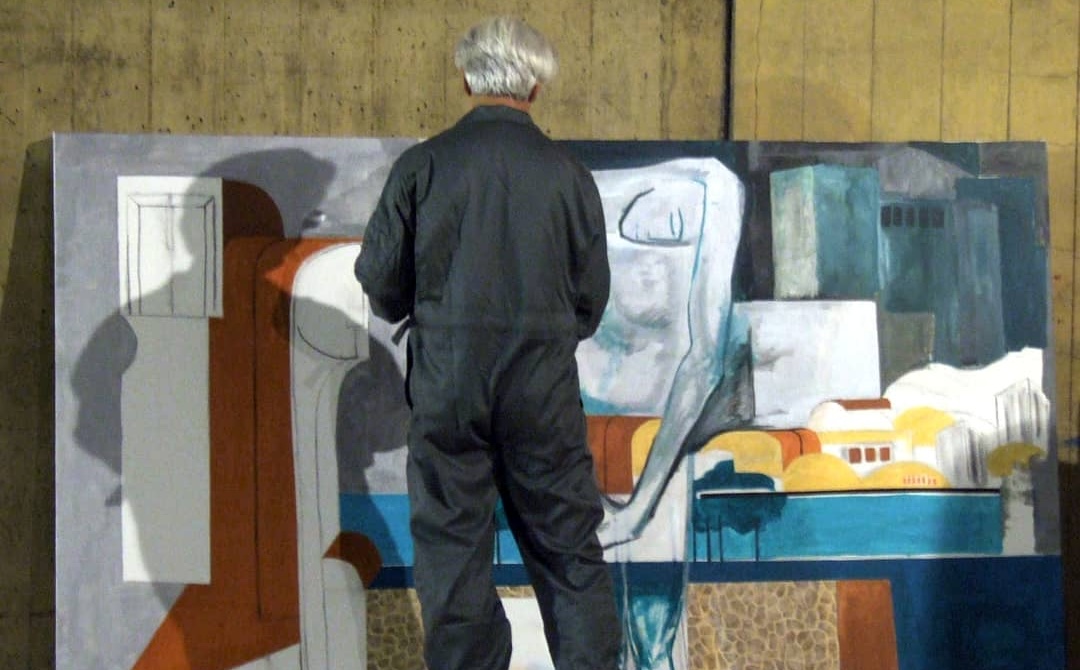
Ali Faramarzi, born in Tehran in 1950, is a prominent Iranian painter, designer, and art critic. He began his professional artistic career in 1974 and has since held numerous solo and group exhibitions. In 1982, he started teaching visual arts in Tehran, and in 1986, he established the Faramarzi Art Gallery. By 2007, he was teaching as an honorary art professor.

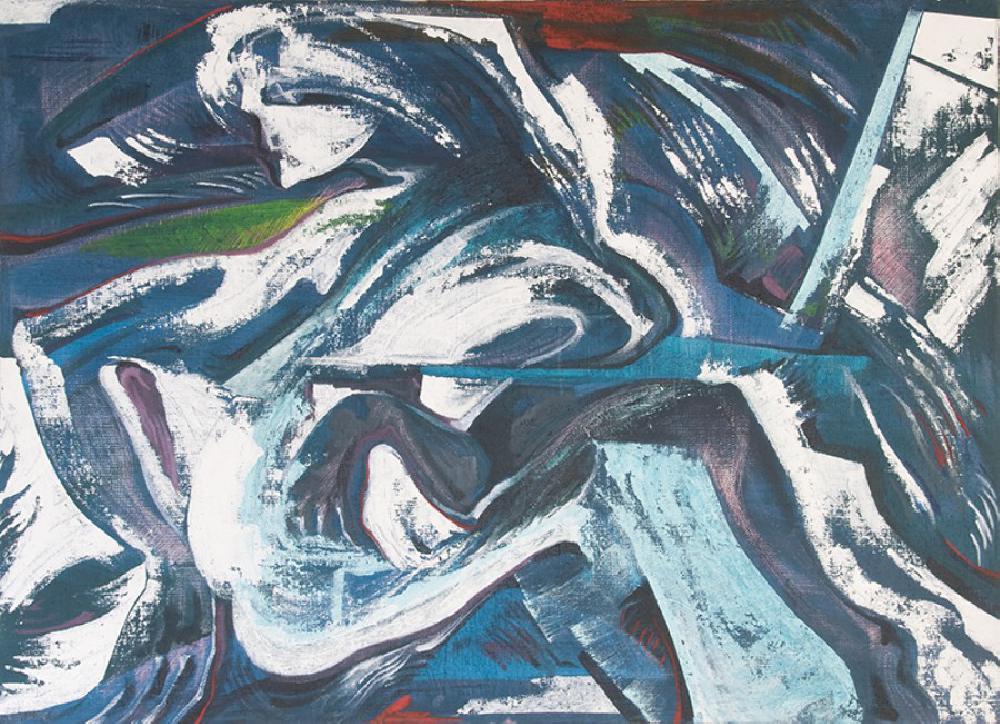
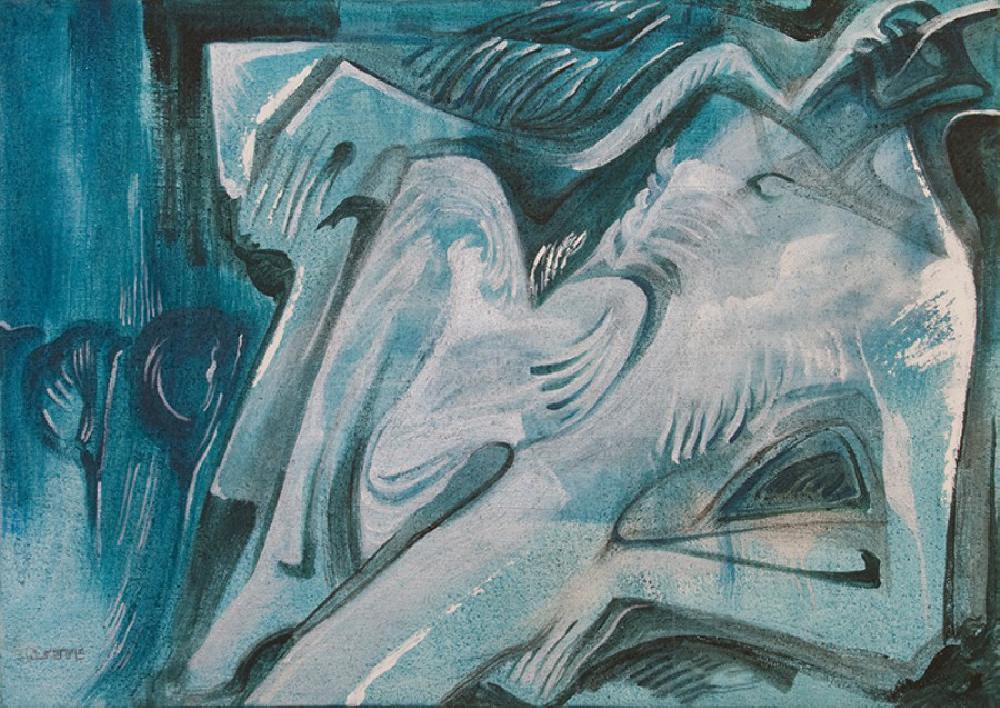
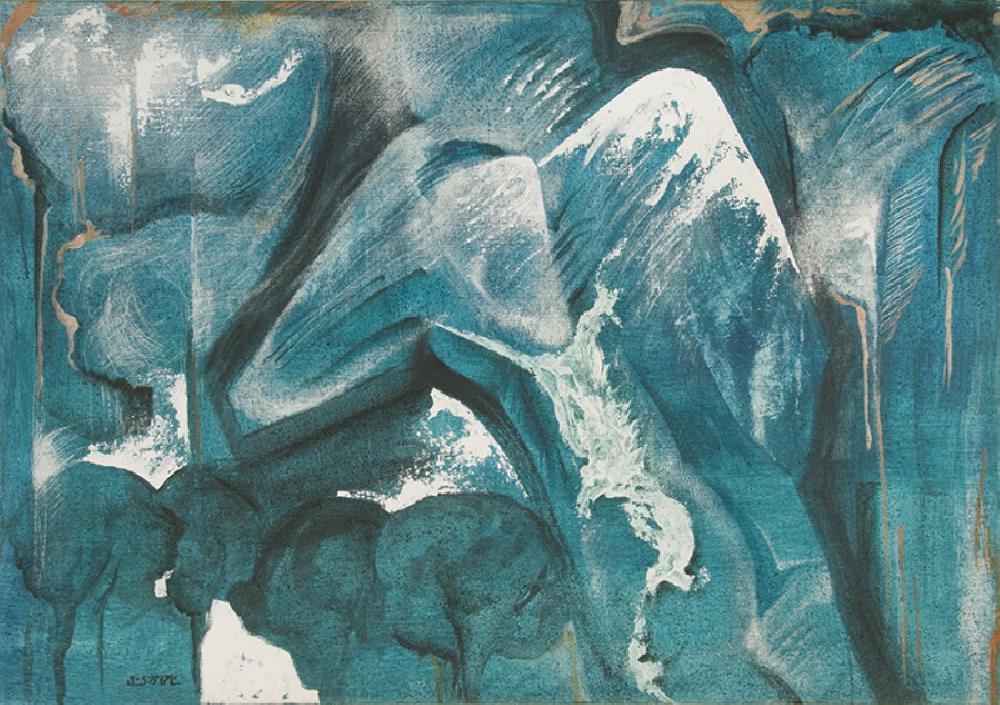
Faramarzi’s work is characterized by its modernist and figurative styles, often exploring themes related to nature and Iranian culture. He has been active in the art community, delivering speeches and holding workshops, including at Stanford University in 2012.

Throughout his career, Faramarzi has received several accolades, such as the First Grade of Art tablet in 2016. His works have been showcased in various exhibitions, both in Iran and internationally.

Ali Faramarzi

Early Life

  • 1979

    Winning Scholarship

    from Rome Academy
  • 1979

    Workshop at Tehran Museum of Contemporary Art

  • 1979

    Letter of Encouragement from Tehran Museum of Art

  • 1977

    First Group Exhibition

  • 1976

    Winning the Young Artist Scholarship

  • 1969

    First Art Lesson

    Private classes
  • 1951

    Born in Tehran

    Iran

Experience

  • 2017

    First-Degree Artistic

    Ministry of Culture and Ministry of Science
  • 2012

    Certificate of Appreciation

    Stanford University
  • 2010

    First Solo Exhibition

    Shirin Art Gallery, Tehran
  • 2007

    Honorable Professor

    Sooreh University, Tehran
  • 2001

    Member of The Board of Directors

    First Gallery Association
  • 1986

    Faramarzi Art Gallery

    Tehran, Iran

Testimonials

Events
  • 01

    Exhibit

    Beyond the Canvas: A Journey Through Color and Dimension

    Welcome to [Exhibit Name], a celebration of artistic vision and expression. This collection brings together a diverse array of paintings that explore light, form, and emotion, inviting you to experience the world through the eyes of each artist.

    From bold strokes to delicate details, each piece tells a unique story, blurring the line between reality and imagination. As you move through the exhibit, take a moment to engage with the colors, textures, and perspectives that define these works. Let them evoke memories, spark curiosity, and inspire new ways of seeing.

    Enjoy the journey through this visual symphony of creativity!

  • 02

    Exhibit

    Beyond the Canvas: A Journey Through Color and Dimension

    Welcome to [Exhibit Name], a celebration of artistic vision and expression. This collection brings together a diverse array of paintings that explore light, form, and emotion, inviting you to experience the world through the eyes of each artist.

    From bold strokes to delicate details, each piece tells a unique story, blurring the line between reality and imagination. As you move through the exhibit, take a moment to engage with the colors, textures, and perspectives that define these works. Let them evoke memories, spark curiosity, and inspire new ways of seeing.

    Enjoy the journey through this visual symphony of creativity!

  • 03

    Conference

    Ali Faramarzi: A Vision in Color and Form

    Welcome to this special conference dedicated to the life and work of Ali Faramarzi, a visionary whose art continues to inspire and challenge the way we perceive the world.

    Through bold compositions, innovative techniques, and a deep emotional connection to his subjects, Ali Faramarzi has left an indelible mark on the art world. Today, we will explore his creative journey, influences, and the impact of his work across generations.

    Join us as we delve into the stories behind the canvases, uncover the artist’s process, and gain a deeper understanding of how his paintings transcend time and space.

    Let’s celebrate the power of art and the legacy of an extraordinary talent!

  • 04

    Book signing

    Meet the Artist: Ali Faramarzi Book Signing Event

    Join us for an exclusive book signing event with renowned painter Ali Faramarzi! This special gathering offers a unique opportunity to meet the artist behind the masterpiece, explore the inspirations behind his work, and take home a signed copy of “Brushstrokes of Time: The Art and Vision of Ali Faramarzi”.

    Through this book, Ali Faramarzi shares his artistic journey, creative process, and the stories behind his most celebrated paintings. Whether you’re an art enthusiast, a collector, or simply curious about the world of painting, this event promises an inspiring experience.

    Don’t miss this chance to engage with Ali Faramarzi, ask questions, and celebrate the beauty of art in an intimate setting. We look forward to seeing you there!

  • 05

    Exhibit

    Beyond the Canvas: A Journey Through Color and Dimension

    Welcome to [Exhibit Name], a celebration of artistic vision and expression. This collection brings together a diverse array of paintings that explore light, form, and emotion, inviting you to experience the world through the eyes of each artist.

    From bold strokes to delicate details, each piece tells a unique story, blurring the line between reality and imagination. As you move through the exhibit, take a moment to engage with the colors, textures, and perspectives that define these works. Let them evoke memories, spark curiosity, and inspire new ways of seeing.

    Enjoy the journey through this visual symphony of creativity!

  • 06

    Conference

    Ali Faramarzi: A Vision in Color and Form

    Welcome to this special conference dedicated to the life and work of Ali Faramarzi, a visionary whose art continues to inspire and challenge the way we perceive the world.

    Through bold compositions, innovative techniques, and a deep emotional connection to his subjects, Ali Faramarzi has left an indelible mark on the art world. Today, we will explore his creative journey, influences, and the impact of his work across generations.

    Join us as we delve into the stories behind the canvases, uncover the artist’s process, and gain a deeper understanding of how his paintings transcend time and space.

    Let’s celebrate the power of art and the legacy of an extraordinary talent!

Partners

Articles
  • We did not feel the consequences of environmental crises in our life, and we have taken environmentalists’ explanations just as a simple warning in the past. But recently, some harmful environmental disasters have happened by human activities such as deforestation, drought, and air pollution. Even Some parts of the world have become uninhabitable.

    For instance, in the past, just some specific cities in Iran suffered from air pollution, or just in winter and autumn, people faced this problem. Nowadays, people who live in Iran can not take their breath easily throughout the year. Even people can not find places with high air quality and escape there.


    We ask ourselves, do we have any opportunities to improve this situation? Or does rescue of these environmental crises impossible?

    While environmentalists encourage people to save nature and the Earth, some artists attempt to persuade people to preserve the environment. Artists do that through their artworks and by making environmental disasters understandable through images. Ali Faramarzi is one of the Iranian artists and visual art critic who encourages his artworks audiences to think about the challenges of the environment and the consequences of disordering in the ecosystem.

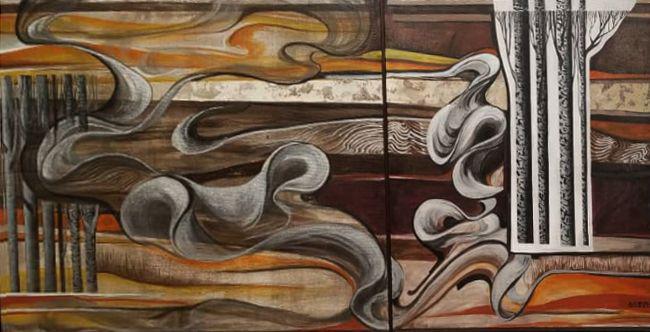
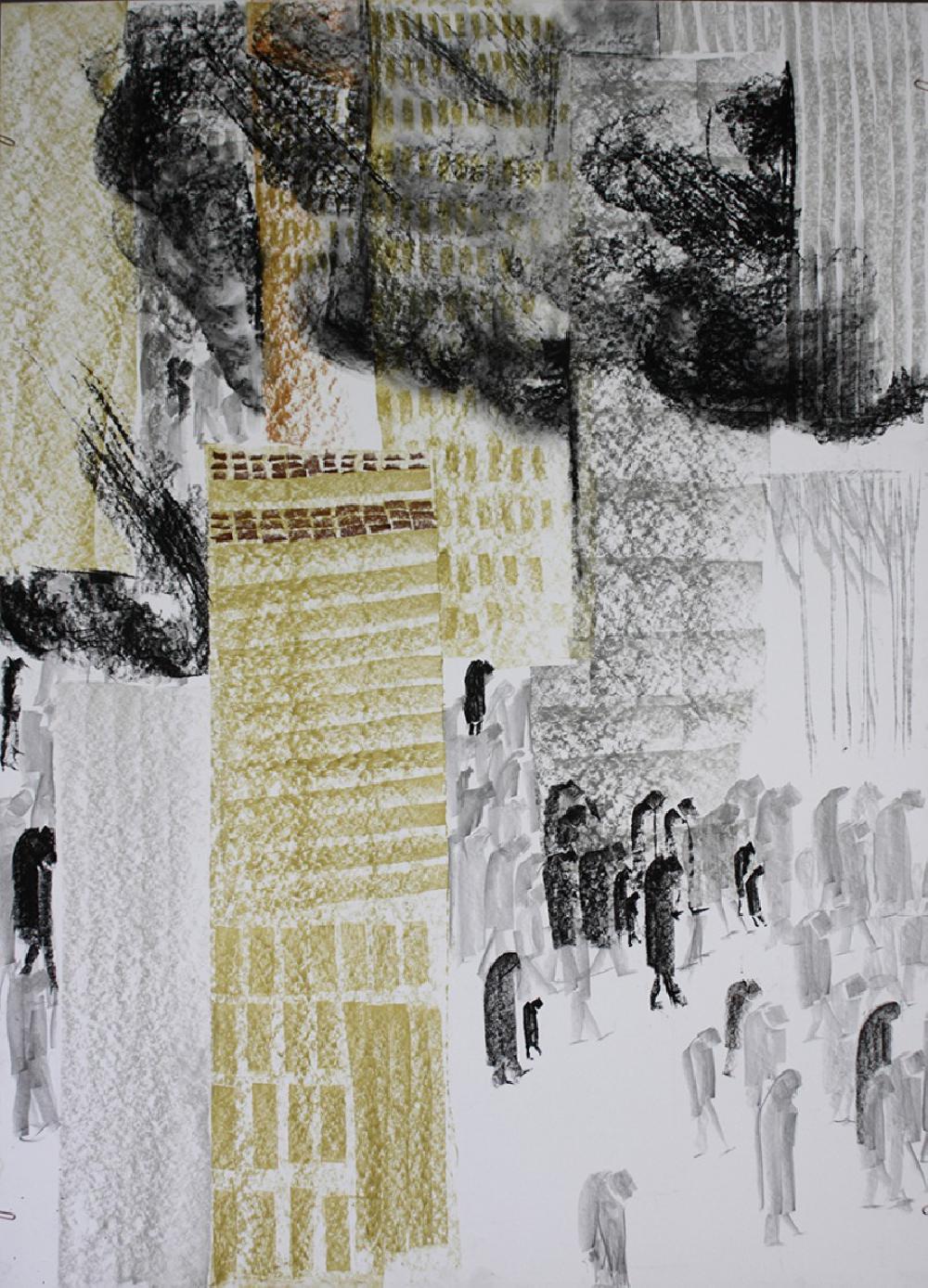
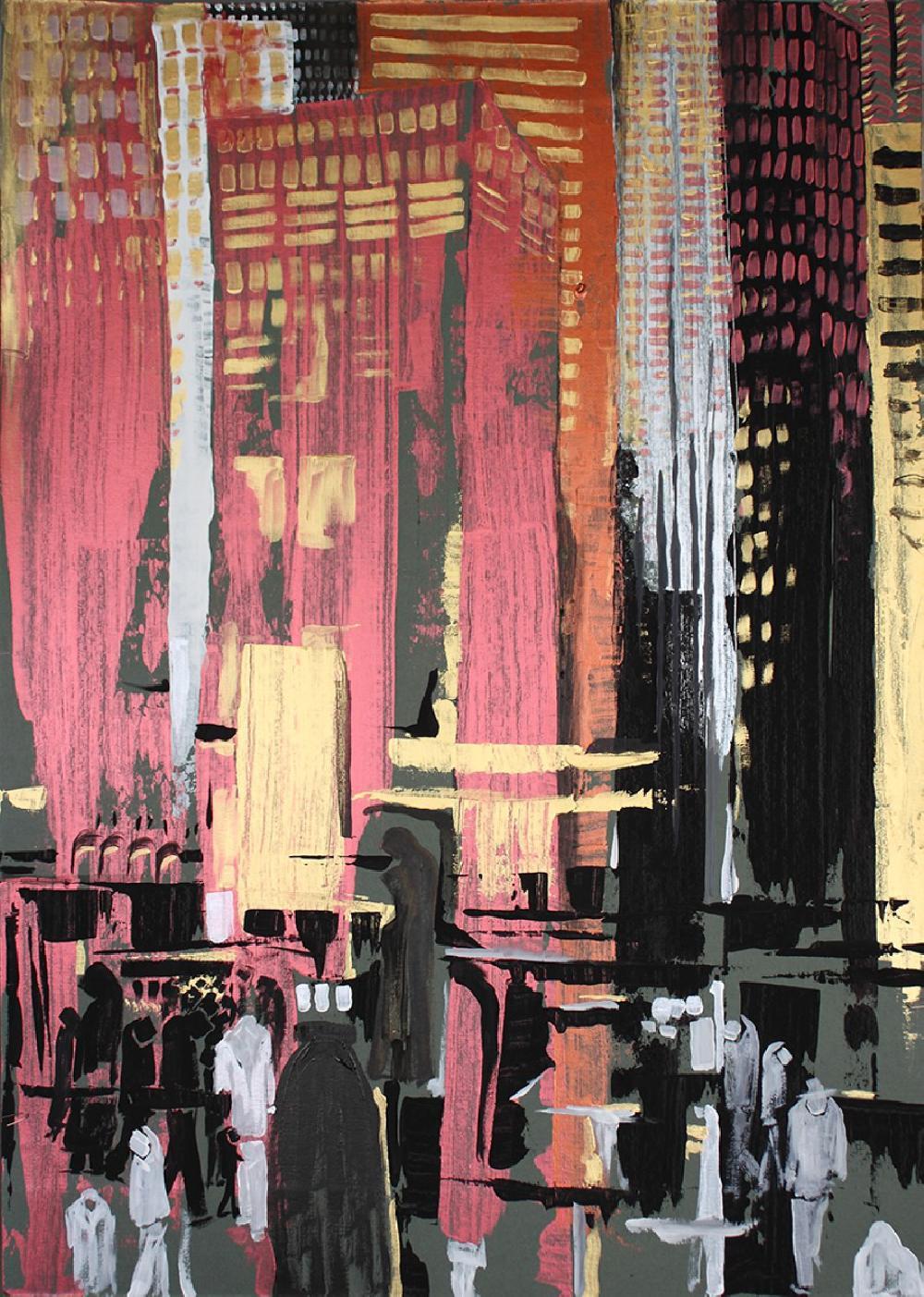
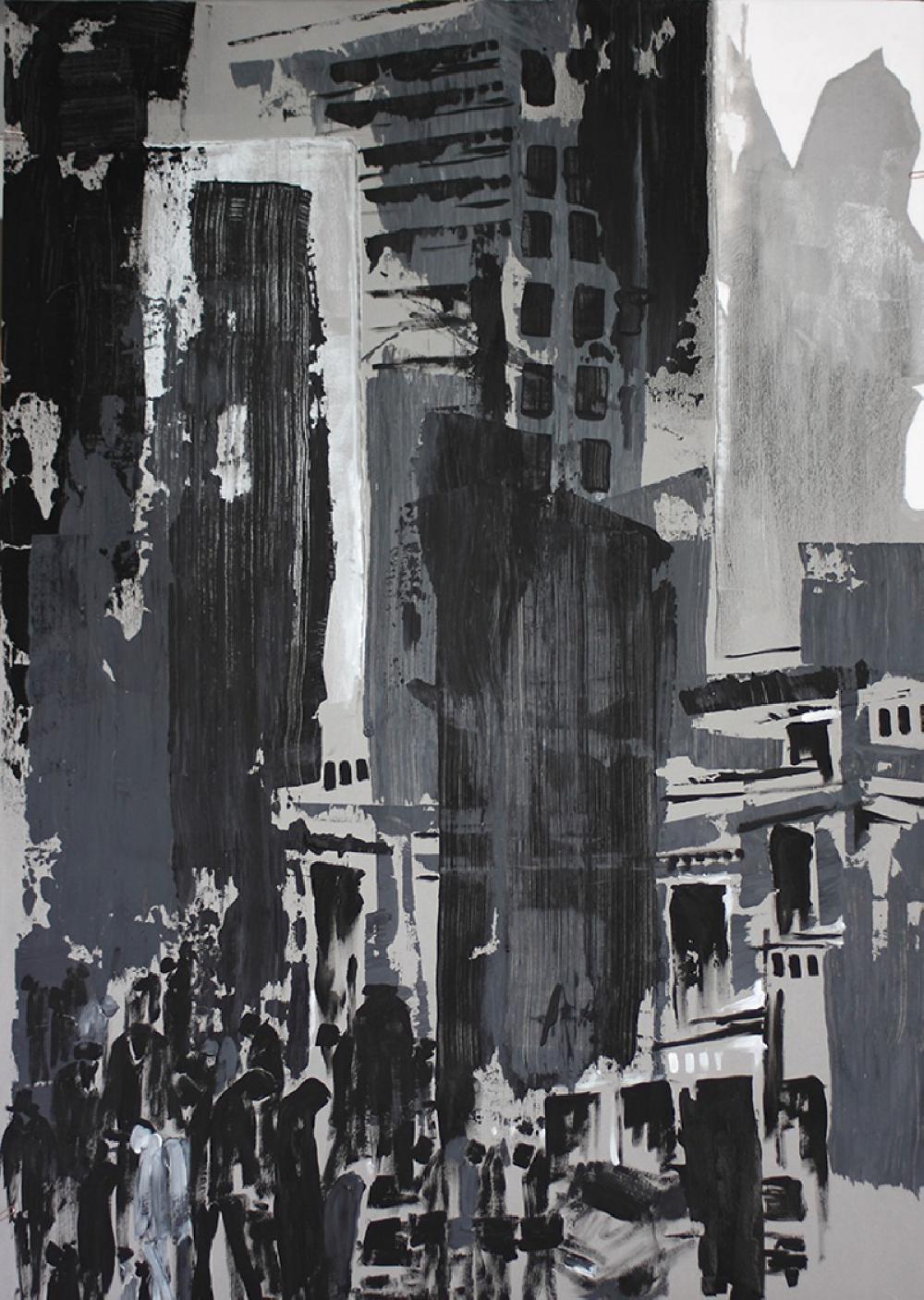
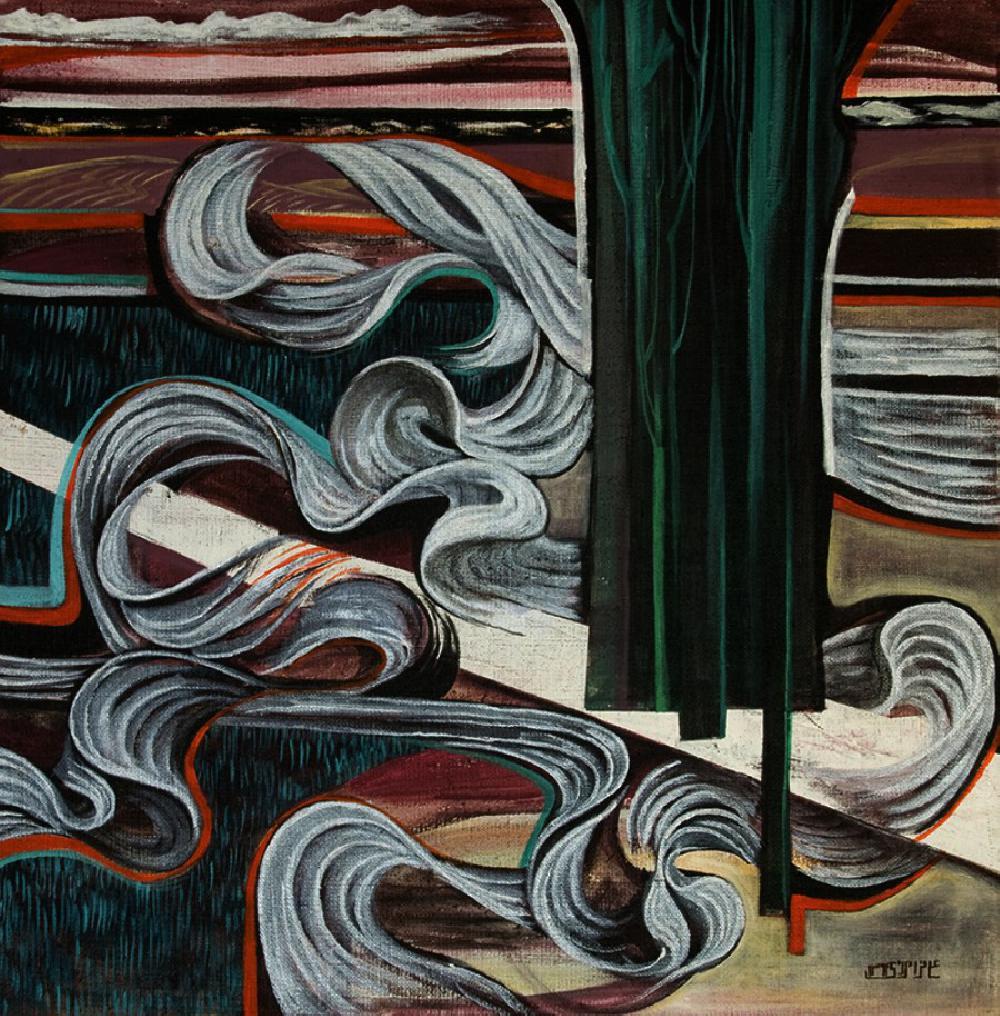
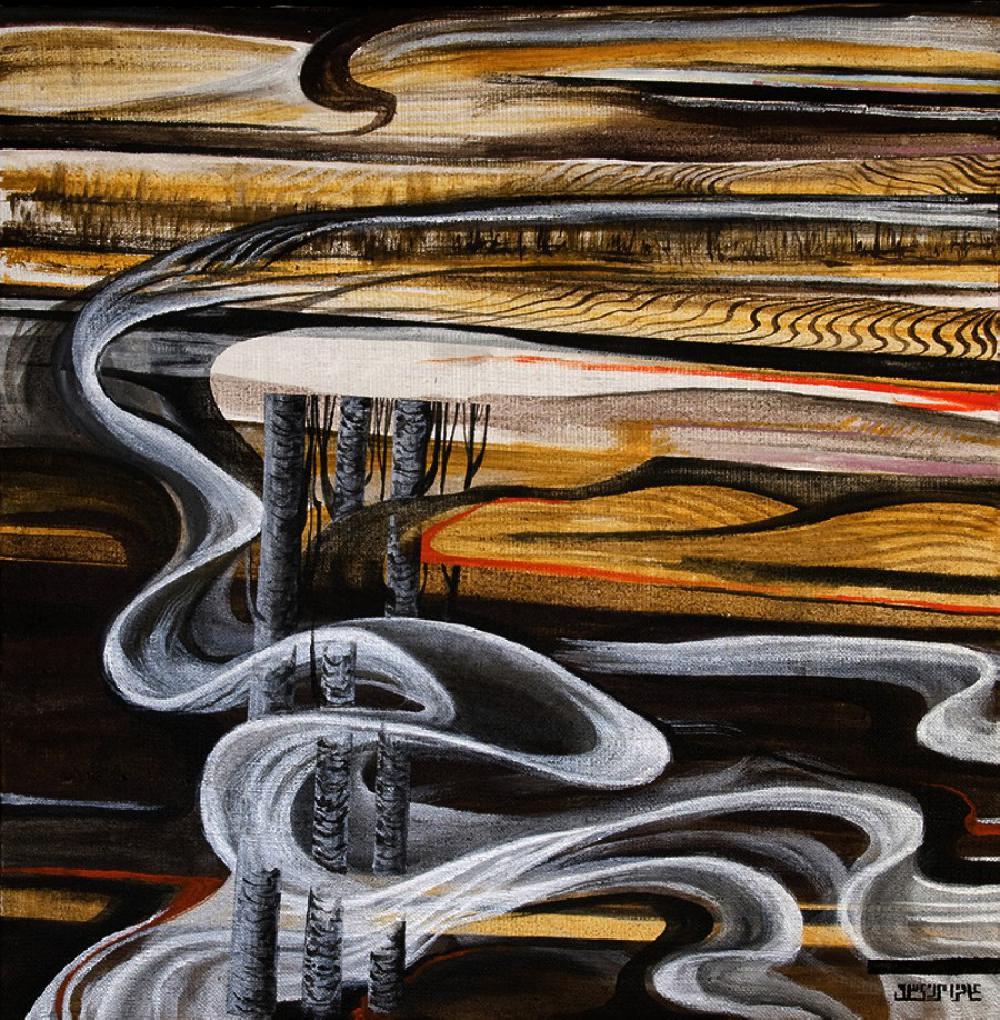
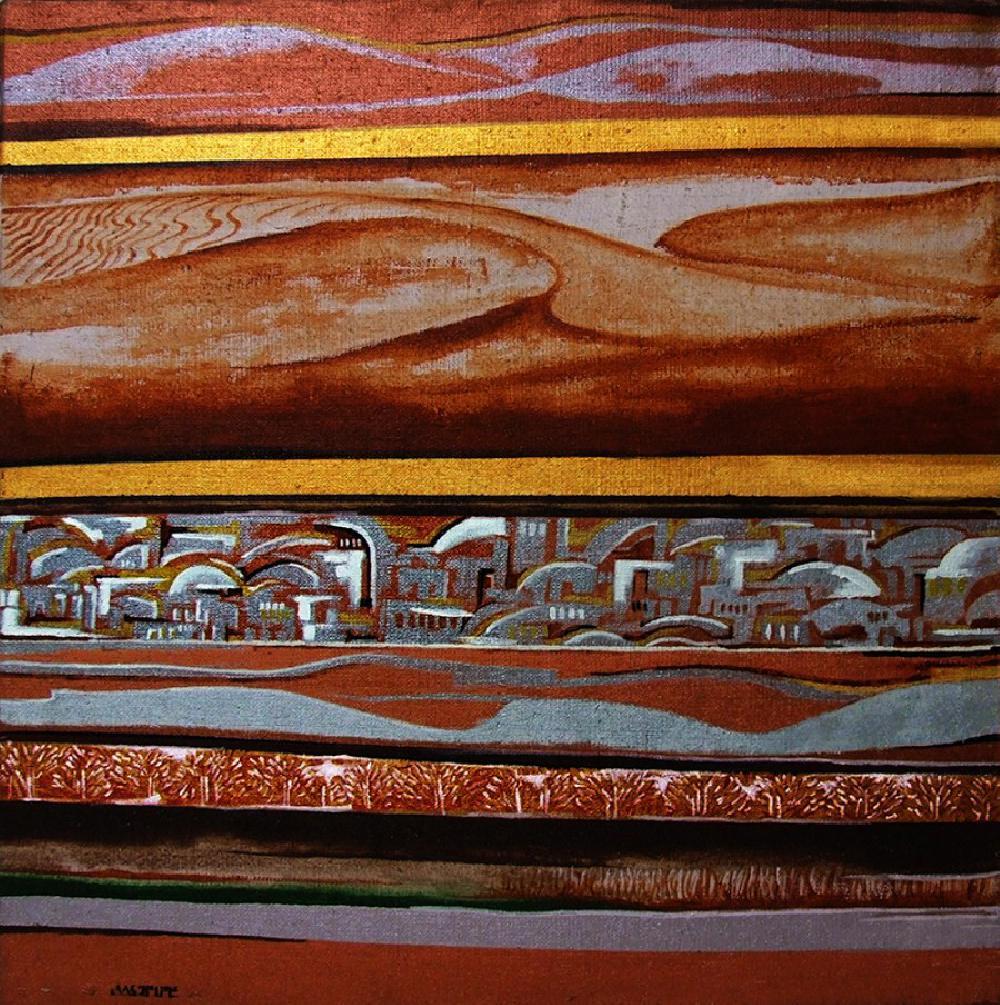
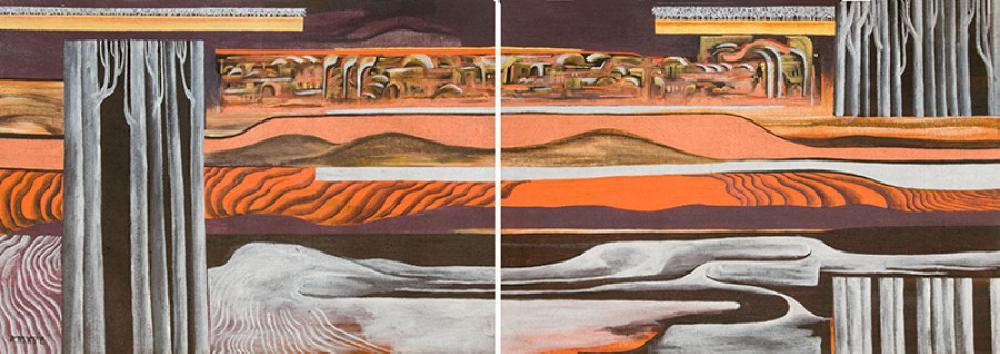
    Specifically, in his three work periods, we can see his emphasis on air pollution. He predicted today’s environmental disaster in the invasion, desert, and city series.

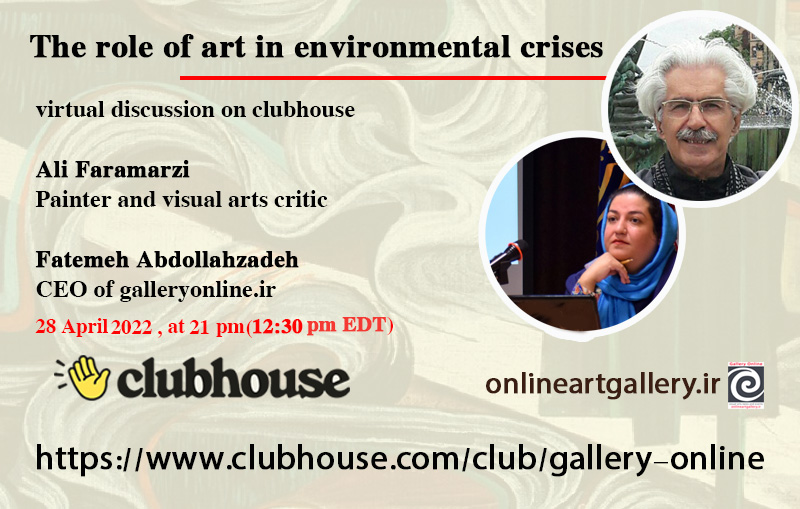
    In the upcoming online conversation with Ali Faramarzi and the other artists, we will investigate the role of artists and their impact on increasing public awareness of environmental crises.

    Clubhouse: https://www.clubhouse.com/club/gallery-online

  • When the meanings in an artist’s mind shape the space through form and create a concept, it is not an easy task to determine whether the space has shaped the form or vice versa.

    An endless persistent spiral movement arises from within two artists from the desert lands without meeting or any verbal communication. Only with the flow of the extract of an artist’s inner perceptions, a discourse created in a form and space from one side of the world can communicate with another in other part of the world.

    This linked flow is connected and its roots can be traced in the mysterious whirlwind in the infinite forms of the desert. The music played by the painter and the architect, with their own visual elements, echoes in the ears of the particles of the universe and intertwines at a point.

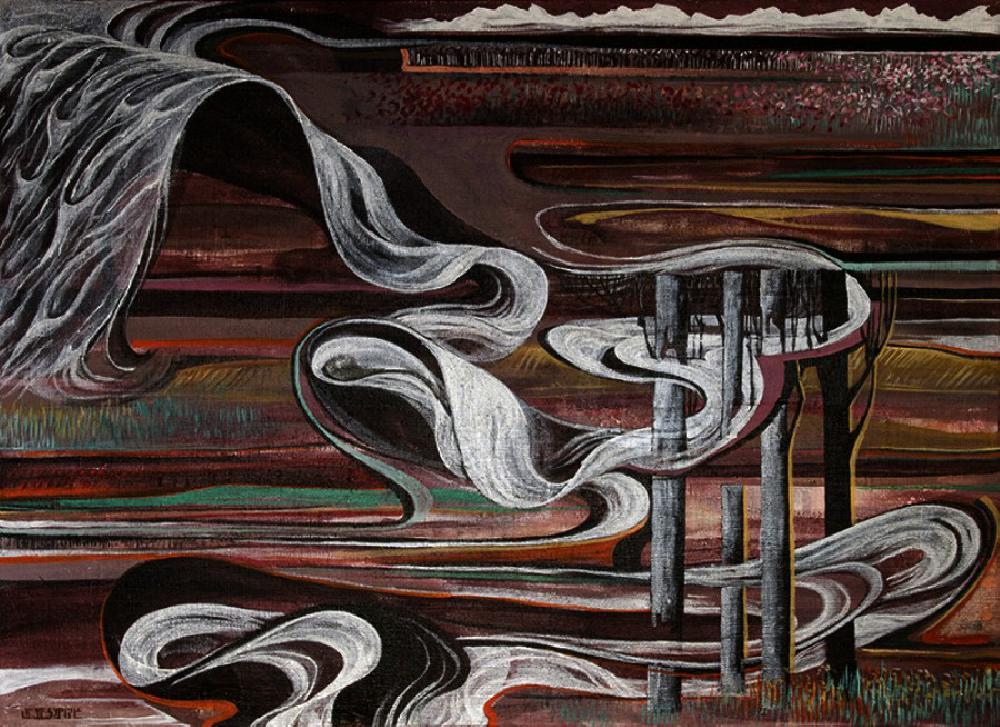
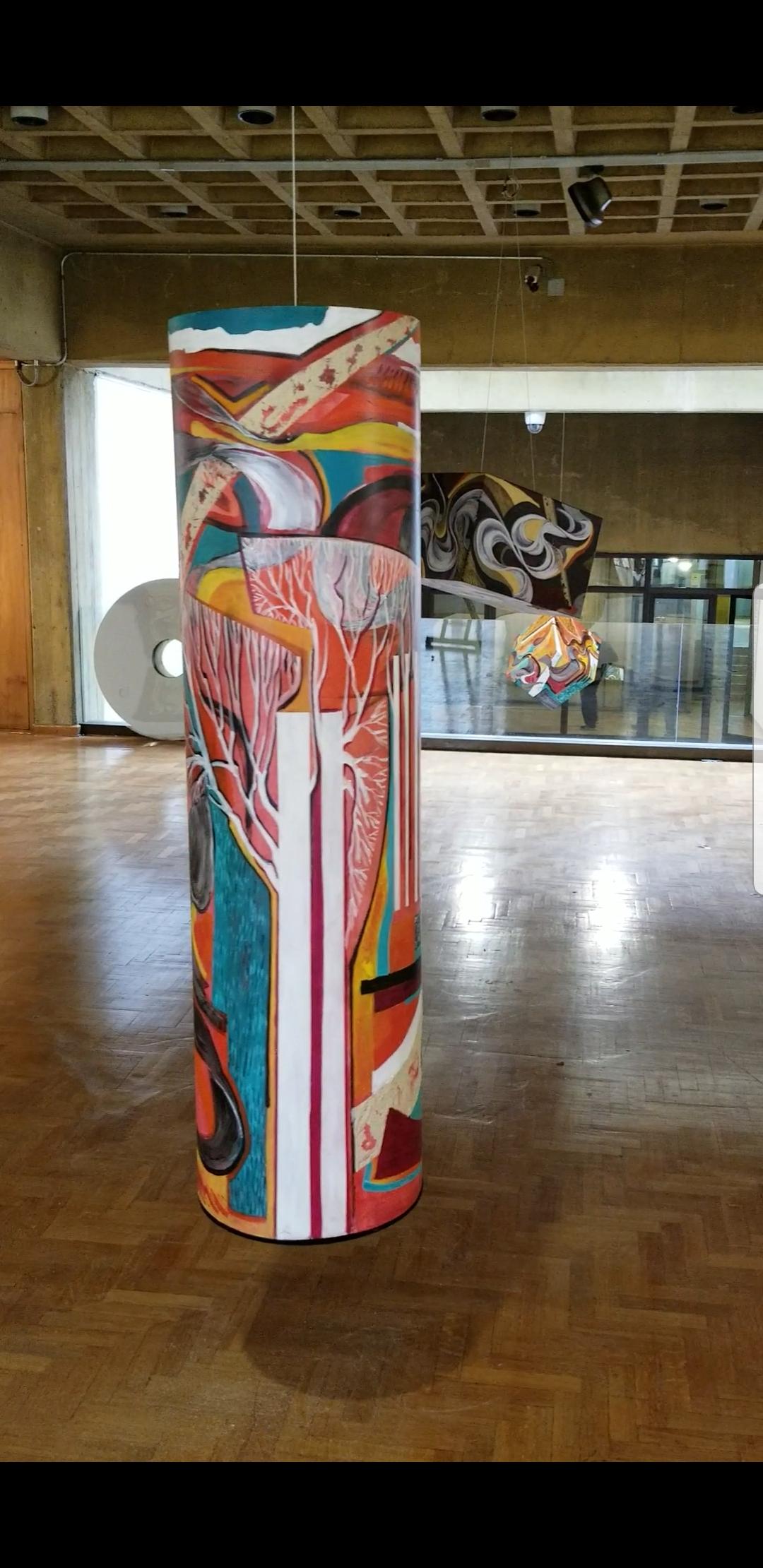
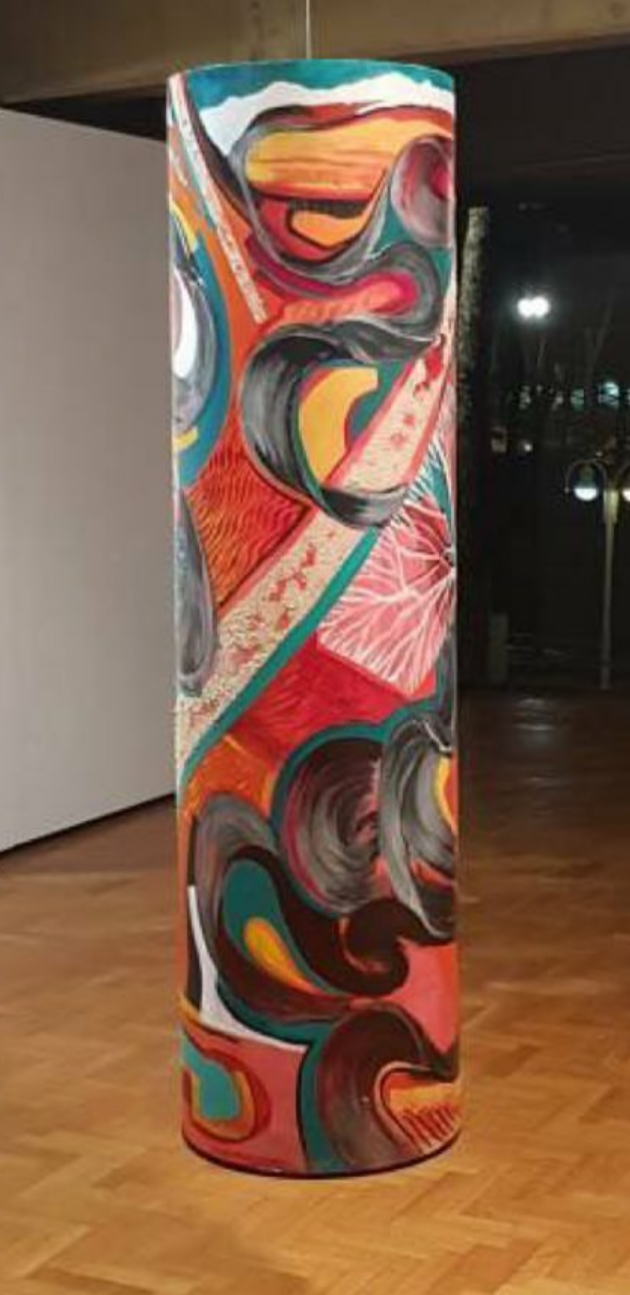
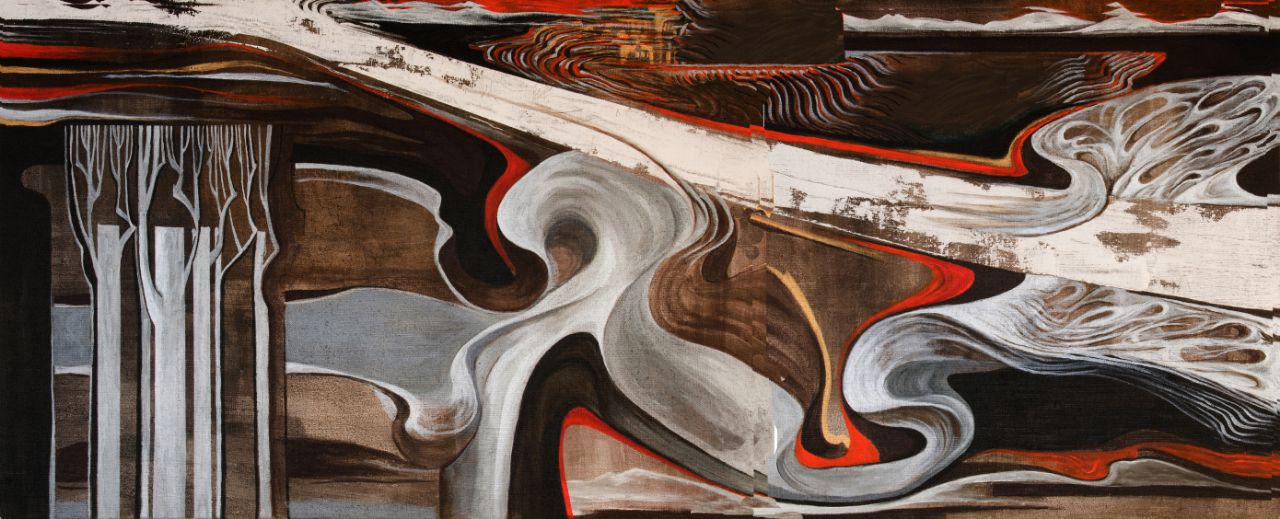
    At one point, the Iranian artist Ali Faramarzi allures us to follow the endless and imaginative movements on the canvas, plunging us into the deep twists, and at another point, the Iraqi architect Zaha Hadid invites us to step into borderless twists to be in touch with our inner selves, immersed in the fluid void space.
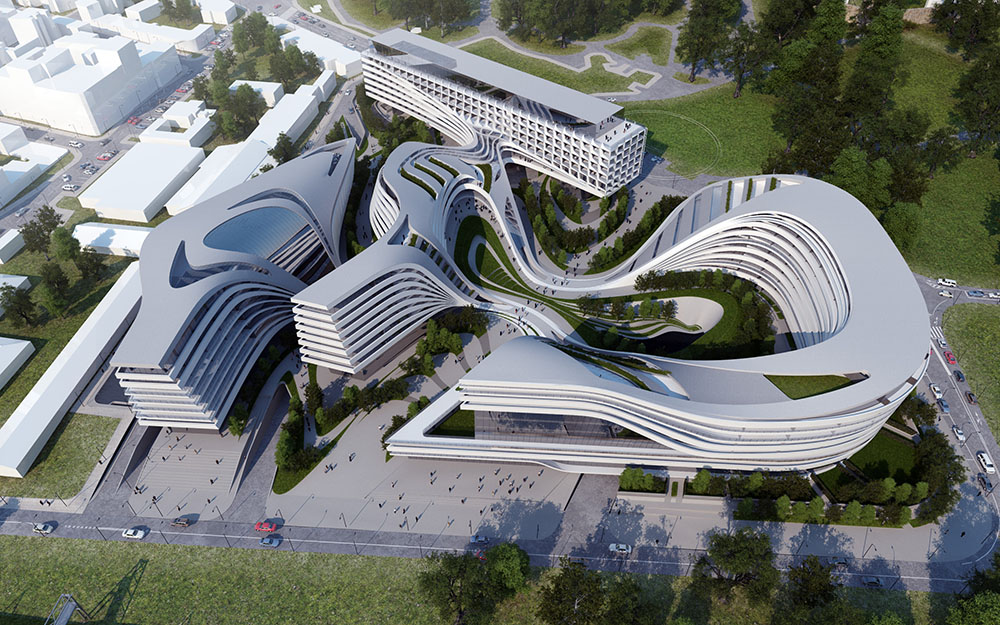
    The works of the two artists have such visual sensitivity and subtlety that they flow into the hearts of the audience. They have such a simple and unambiguous expression that the audience immediately understands solidarity and unity both internally and in the outside world.

    The works have no redundant elements and margins, a feature that makes them quite pure and abstract and allows them to communicate with the deepest layers of existence that may have escaped our memory over time. The audience experiences their deepest unbiased inner emotional layers.

    There is substantial formal similarity in the works of the two artists although they have created their works physically distant from each other. This may be attributed to their sub-conscious mind and honesty of expression that originated from their similar cultural and biological backgrounds. The curves, twists, and soft and fluid forms in their works draw the attention of the audience and can be considered complementary to and moderator of the heat and dryness of their ecosystem.

    The works of senior artist Ali Faramarzi had previously been displayed at the Niavaran Cultural Center and are currently being featured in the ninth gallery of the Association of Iranian Painters (AIP) on Friday, August 17. Just as Zaha Hadid’s architectural space immerses the audience in three-dimensional space and void, in Faramarzi’s works, the artist encounters another dimension, which he calls the “fourth dimension”.
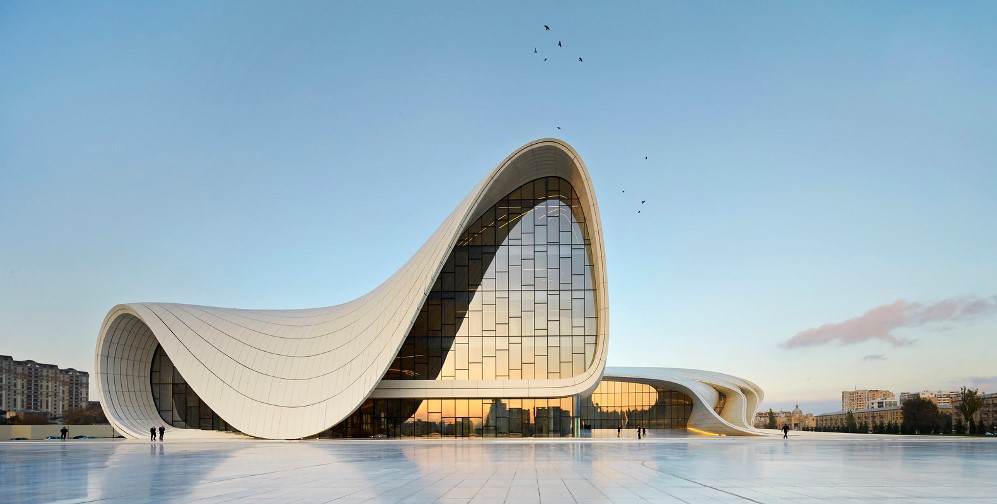
    Dimension is generally discussed in four scientific areas, namely philosophy, physics, mathematics (geometry), and culture and art. There are generally two dimensions, namely space and time. The dimension of space consists of length, width, and height and the area around an object. Space is both time and motion. Space in painting refers to the inter-form spaces where space has also incorporated the form. In physics and philosophy, too, no phenomenon is imagined out of space. Volume minus space equals no volume. When space is defined in physics in terms of length, width, and height, the fourth dimension, i.e., time, will also be involved. You cannot have a physical reality outside the realm of time. According to Jalāl ad-Dīn Mohammad Rūmī, "Every moment the world is renewed, and we are unaware of its being renewed, whilst it remains the same in appearance; Life is ever arriving anew, like the stream, though in the body it has the semblance of continuity". Ali Faramarzi has explained this before about his works in relation to the concept of the “fourth dimension”. Accordingly, we can conclude that the fourth dimension, which includes the concept of time, also manifests itself within the curves and infinite movements of Zaha Hadid’s works. In this way, the audience find themselves in unity with multiplicity of times not only in space but also in time.

    Faramarzi describes this as follows:

    Today, you know that in the realm of quantum physics, particles die and re-emerge at every moment. Quanta fall into darkness every moment and reappear at an unpredictable point the next moment. This is also the case in everyday life, and every object is constantly changing. This change can be seen in some cases where it takes place rapidly, as in some physical phenomena like when fruits go bad, or slowly in some phenomena, such as the changing of mountains. In either case, change is inevitable. Therefore, where there is change, there is time as well. The term "space-time" in physics and philosophy describes this concept.

    It is only in the field of mathematics that volumes can be said to be three-dimensional because they are in the field of embodiment and abstraction. In mathematics, the "point" has no dimension, whereas this is impossible in the world of physics and objective reality. Mathematics is the science of abstraction, a foreknowledge. This is why all mystics and philosophers of the past dealt with mathematics. Symbolically speaking, mathematics is the symbol of the unseen realm in the physical world. As Einstein put it, ‘I feel the presence of God in all my mathematical formulas.’

    The "line" is the first sign of dimension and it is considered one dimensional only in the world of mathematics. In addition, the "surface" is only two-dimensional in the world of mathematics.

    Culture is a domain that requires a very important element, i.e., the human, in order for a cultural product to exist. If there is no human to understand and receive a work of art, that work will cease to exist in the world of culture. That is why in contemporary art, the viewer is part of a work of art. If a book is never read by anyone, that book will not enter the realm of culture at all.
    Faramarzi emphasizes that there is an important element in the field of culture, called the viewer or receiver, without whom there will not be a culture. He further explains the formation of the idea and concept of his works:

    I think the viewer is important in two ways; One is that the artist, at the time of creating the work of art, must have one or more mental viewers, and the second is that there is an objective and external viewer who is the actual audience of the works.

    A mental viewer is the one for whom an artist always creates works. This viewer is a mental image of an individual, a social group, a particular school of thought or philosophy. Basically, the meaning of artistic personality is what type of mental viewer you visualize when creating a work of art and whom, what social group, or what particular thought you want your work to be accepted by. ‘You first tell me whom you lived with, then I will say who you are.’ When we talk about our view, we are actually talking about our viewer’s view. The types of pattern(s) we have form our artistic capacity.

    There may be cases where our mental viewers or artistic personality may change, but there will eventually be a viewer at every moment to observe our work. For example, if an artist does not like his/her work to become popular, this thought is considered a mental viewer for them.

    According to Hafez, ‘The curtain of thought must be torn.’ This great Iranian poet, who composed so many poems for the objective world, has again encouraged the audience, "Let’s break the ceiling of the heavens and make a new plan", where he refers to the mental world.

    The culture dimension is like a music instrument that will produce no music or sound until played by a musician. That is why art, as an activity that visualizes and unifies culture, is very important. Art is the manifestation of culture. Understanding and analyzing art requires special ingenuity and talent.

    There are days when I feel good and use opaque paint in my work, but the color eventually turns out clear and vice versa! This means that my work reveals what is inside me and elicits it subconsciously.

    According to Hermann Hesse, you cannot lie in art as the evidence leaves no room for denial. Even when you are lying, you are calling out that you are lying, in which case you are technically telling the truth!

    Full article in farsi: http://onlineartgallery.ir/?m_id=492&id=11758

  • After writing an article entitled quiddity of artistic identity" in "Shargh" newspaper, in the second part of the article, I raised the issue of subject Subjective observer, which naturally was not addressed as much as necessary due to page limitations, and the issue needs to be opened and more explanation. Moreover, some friends reminded me of this shortcoming and wanted me to open the article as much as I could to make it clearer.

    Among the contemporary philosophical critiques and debates about art, the subject is the observer and its role in creating an event and artistic understanding. Of course, it can be argued that a work of art, even if it has no audience, still creates a cultural event; because the experiences gained from it affect the creative artist himself. As a result, there is no work of art without an external observer, and hence it is a cultural event. This means that the artist himself is the first observer of his work of art. The whole theory, with all the variety of opinions about it, is subject to an external observer, and it means looking at the work of art from the outside.

    What we want to talk about here is an internal observer (Subjective Observer). internal(Inner) means in the artist’s brain that not only looks, but also acts on opinion and taste(manner). And throughout the process of creating a work of art, it affects how the work of art works, depending on how much the artist is influenced by it and how strong the concentration of the presence of the observer is. That is why knowing and being aware of it is crucial and also has multifaceted benefits for the creator of the work of art.

    There are two ways for us to understand and receive this decisive presence. The first is to write and discuss its existence, how and its effect so that its dimensions become clear and we can obtain theoretical information about it. As a result, we reject or accept it. The second way is to go directly to the objective and practical experience and gain our personal understanding and perception. For me, as the author of these lines, the second way happened and after my personal experience, I searched for various theoretical cases and similar examples in other horizons of anthropological sciences such as self-knowledge, logic and philosophers as much as I could. Then i was happy to find important topics in line with my experiences.

    This perception is by no means a strange and complicated matter. And some people have this experience on their own and can see or reconstruct their "mind images" and even observe them. Let me give you an example; What happens to you when you think of your father’s house?

    An image of that place appears in your mind, to the extent that you focus on it. We can visualize more details and watch. Those who have not had this experience before, succeed with some effort and practice. Understanding and seeing the objective world and the mental world is a special ability of the human brain and man is on the border of these two beings.

    You are the two ends of both rings / in fact, you are joined together

    In the following, we will see how important these mental images are and how they play a decisive role in our lives and especially in the process of creating a work of art. Among the various disciplines of the arts, visual artists may find it easier and more relevant to their discipline in terms of seeing their mental images. Because lexically, the word visual is defined in these four terms: 1- In the form of an object visible in front of the eyes, 2- Creating an image of something in the mind, 3- Mental image and 4- Having possess an object.

    As these definitions make clear, the word visual means to see the images of the mind and to become aware of the tools and equipment of the visual artist, and I will go on to say what a decisive role they play in the art product.

    These images are not just a simple, fixed and ineffective image, but moving and dynamic mental elements that are constantly talking to us and interacting and reacting. Where they arise, where they draw their strength from, how they choose the subjects of conversation with us, and so on, is the subject of discussion in the sciences of philosophy, psychology, mysticism, and so on.

    We have two mouths as if they are like reed/one mouth is hidden in his lips/

    A mouth moaning towards you /and a passion in the air/

    Nevertheless, he knows whoever his “perspective” is /that whine of this is from that one too/
    (Masnavi: Book Six)

    I do not intend to interpret Rumi’s poem here, but I will give this good news that in the following articles, the reader will find out why he says: A mouth is hidden in his lips and a mouth complained to you? What is "he" Who is constantly talking to us and we take from him and transfer him out and how is he? And how does it affect the work of art?

    The stages of advancing the work of art until reaching the result accepted by the artist go through two parts. These two parts, while interdependent, have clear differences with each other. The initial or motivational feeling and inspiration stage and then the process of managing and advancing the work until the result is achieved. What is at stake is the initial stage, which may be somewhat the case. But not to the salinity that has crowded it and drawn aura around it. Because many motives  here in the world, such as competition, jealousy, financial needs, orders, the need to raise, etc. can be the motivation to start works of art. Let’s skip it and of course the creative personality is one of the important factors in this section. The next stage is a process in which the mind manages the initial feeling and moves the subject to the conclusion, which is the product of art. subjective observer is present in all these stages and is an important factor in shaping how a work of art works. Here we need to talk a bit about what a subjective observer is and how it affects the work of art. I do not believe, and I have not yet had the experience that during the performance of art, my mind was empty of everything, and only in myself, I experience the same initial feeling, and regardless of any other thought, I am alone with the angel of inspiration and to advance my work with him. I believe that someone who makes such a claim does not know enough about the functioning of his mind or brain. And under the influence of the dos and don’ts of the subjective observer, he is not self-aware of the events of his mind that have been going on throughout his artistic endeavor or censors it; Because mental images are flowing inside our minds. And we are constantly talking to each other by attributing traits and characteristics to them.

    Purify yourself from your attributes / to see your pure nature
    (Hafiz)

    We may be constantly, constantly at all stages of creating a work of art with the subjective observer, discussing, commenting on and reviewing our work due to the teacher and professor we believe in or the artist who is our role model, the group of thought we want our work to be liked and accepted, the buyer we are considering, modeling a work through auctions, an art critic, or the whole of society from which we have made a mental image, and with the image we make of their desires through our mental words. But this is not all, and it is interesting that at the same time with every mental image and dialogue that arises from it, an emotion arises in us. This feeling plays an important role in making the next image; Because our brain immediately creates the next image with which the feeling is matched and the words are made again and the feelings arising from them and ....

    Let me give you an example; Suppose I like works of art very much and in my mind I wish I could be a successful painter like him and draw such works. An image of him is automatically made in my mind or a picture of him is formed in my brain. And in the stages where I am painting or thinking about my work, that image is also in my mind and my brain judges and interprets what I am doing with words of my own making, but with the idea that these words are the judgment of that character. And it evaluates my work and with this evaluation, I feel a sense of satisfaction or dissatisfaction. And emotions, color, form, composition, etc. are based on this process. The extent to which a subjective observer influences a work of art depends on the intensity and concentration of the subjective observer image and the resulting dialogue.

    In art, the presence of a subjective observer has a more direct and decisive effect than other human activities. Because with the feeling it creates, they determine the fate of the art product. And this feature can be an important help in recognizing the artist. And he will gain a deeper understanding of himself while paying enough attention to his mental images. Another noteworthy point is that the artist is able to move in reverse; That is, the subjective observer changes himself and produces a different feeling by changing the visual elements; Just as when we move, so do our emotions.

  • Firouzeh Khatibi 22 June 2012

    The Painter of Iran’s Lost Landscapes

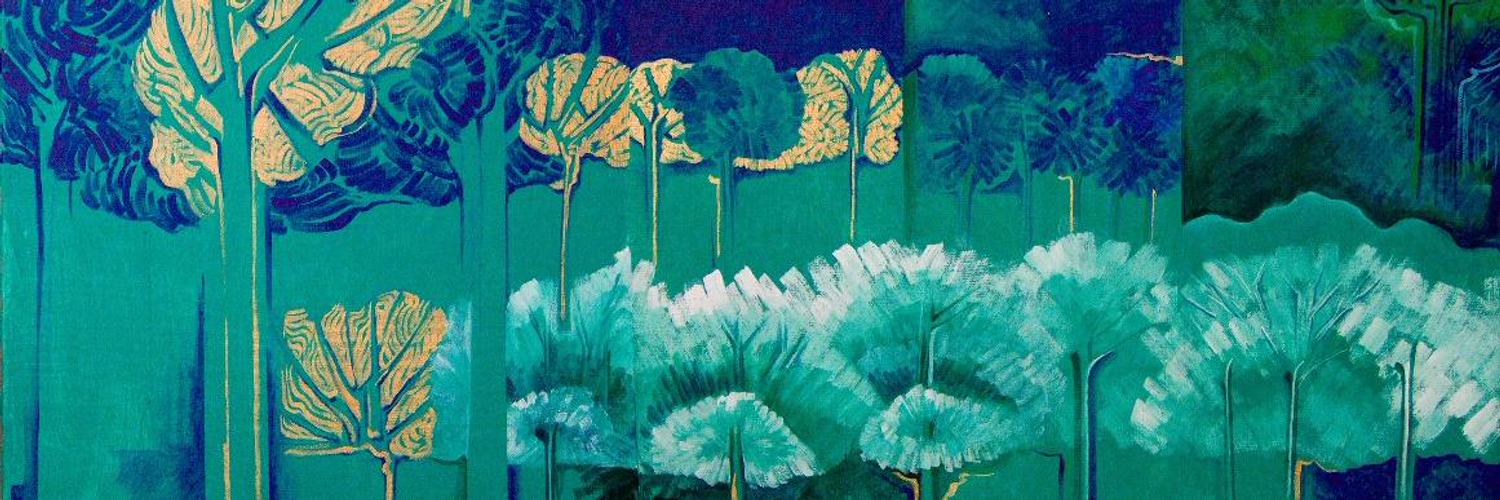
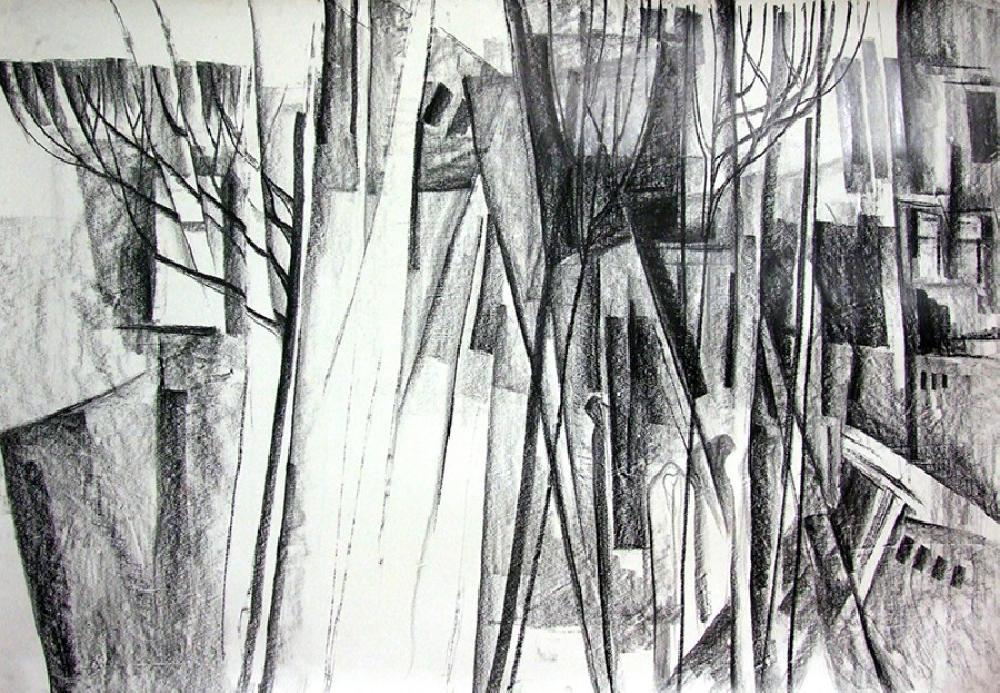
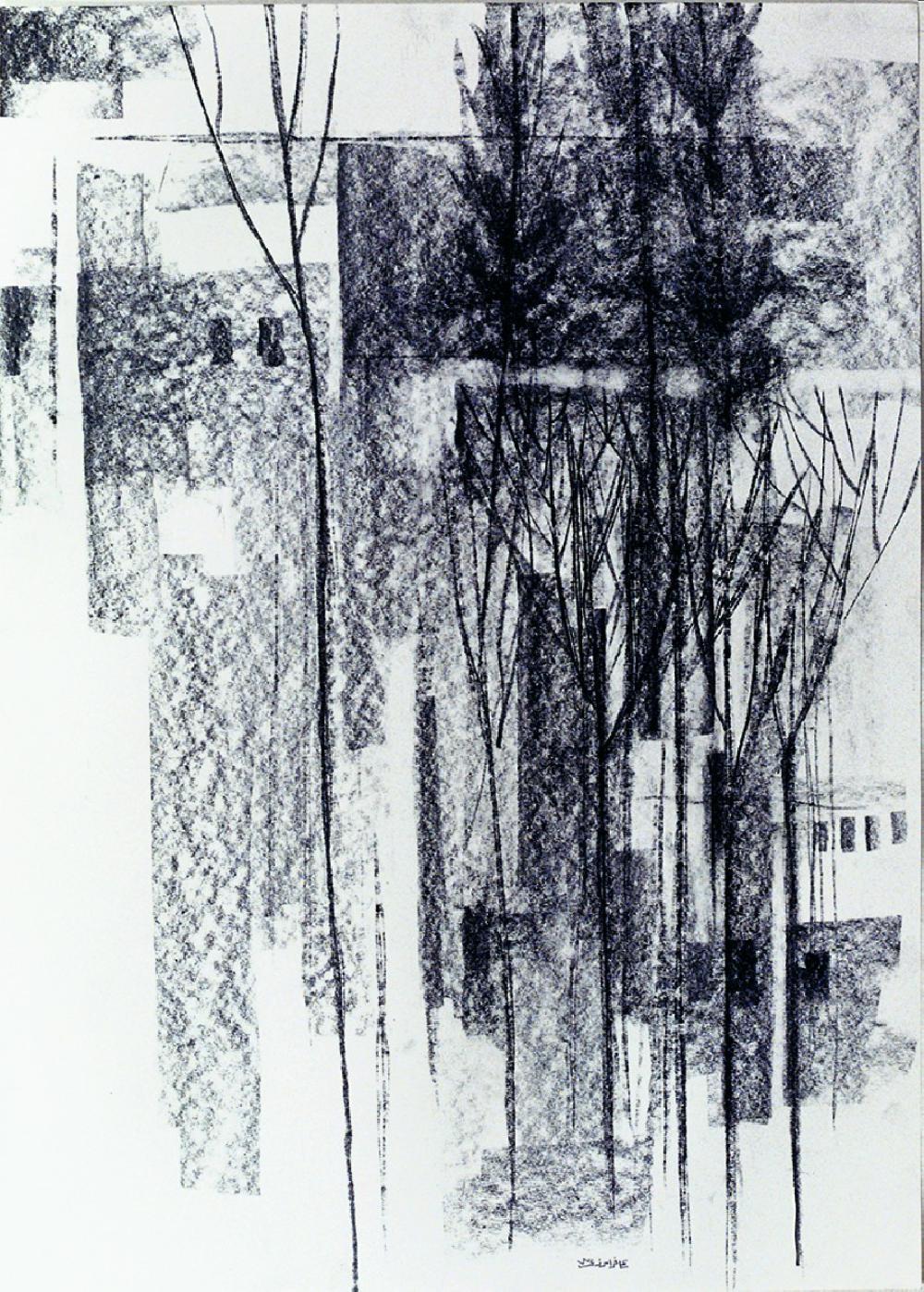
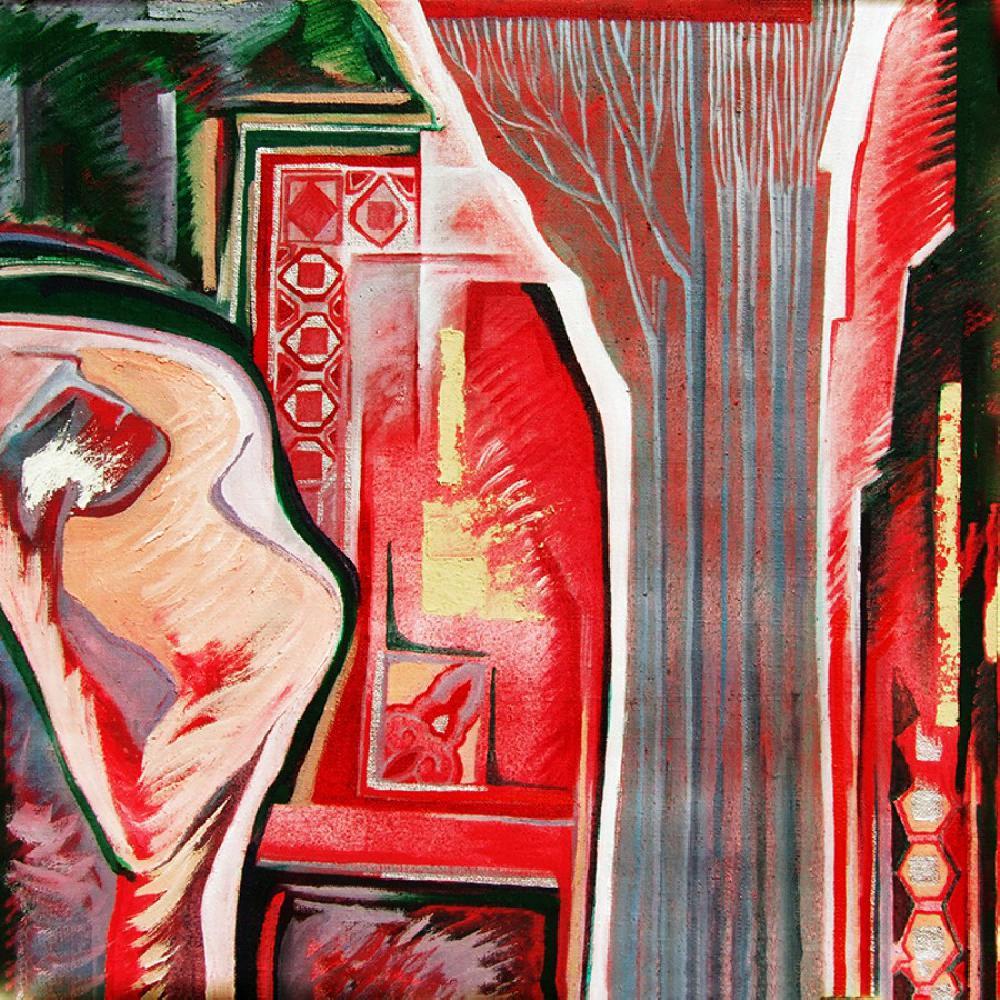
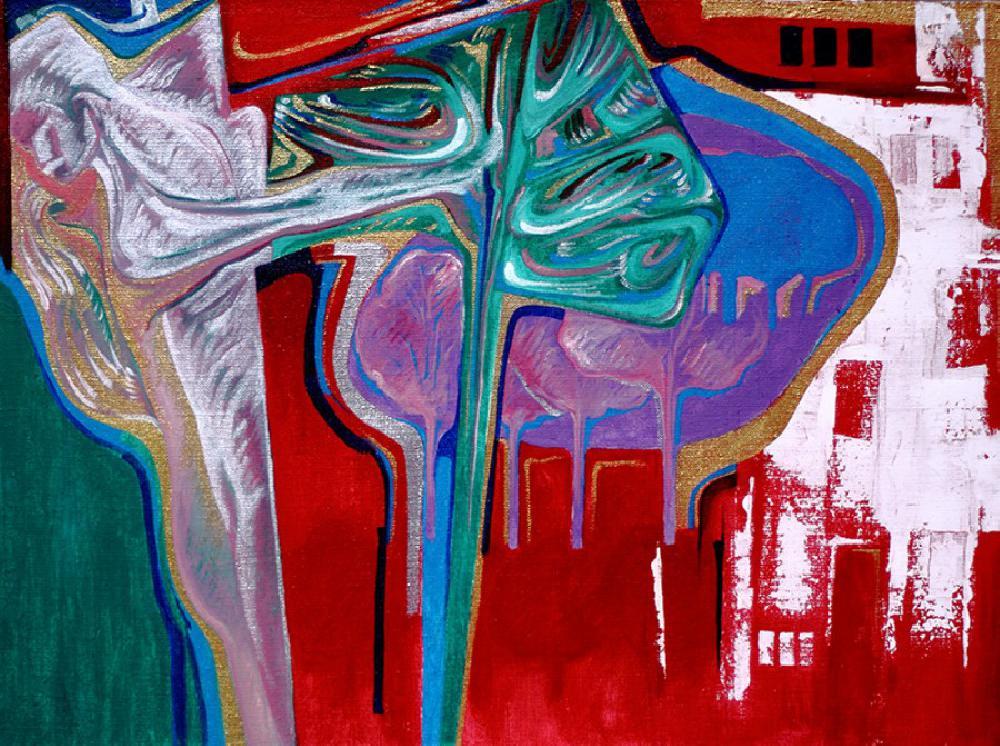
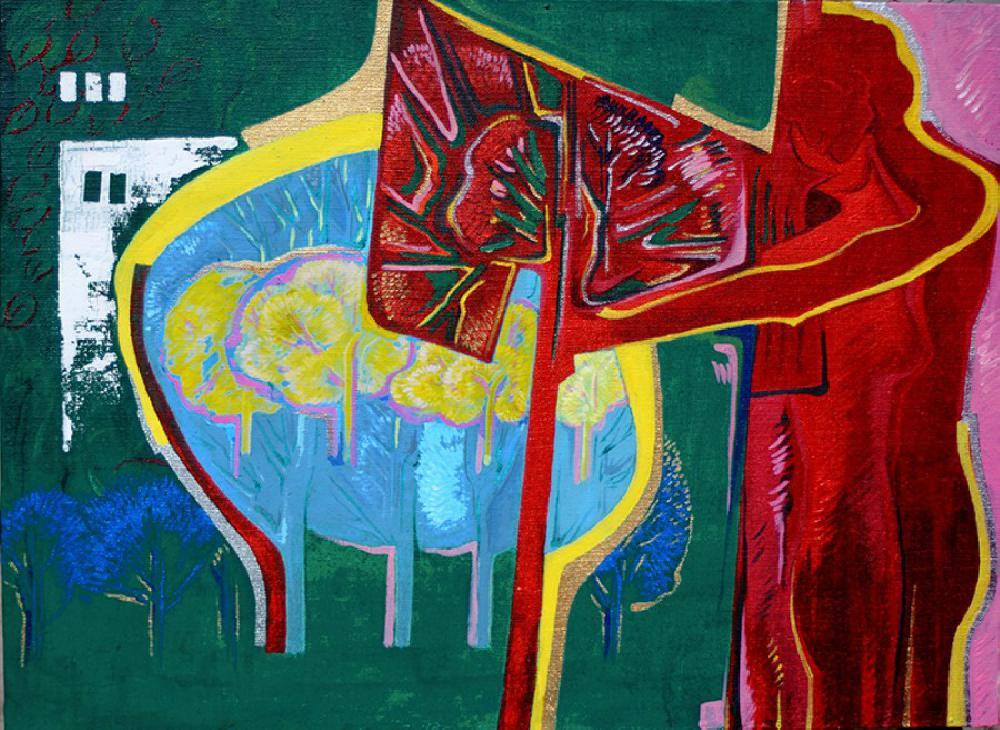
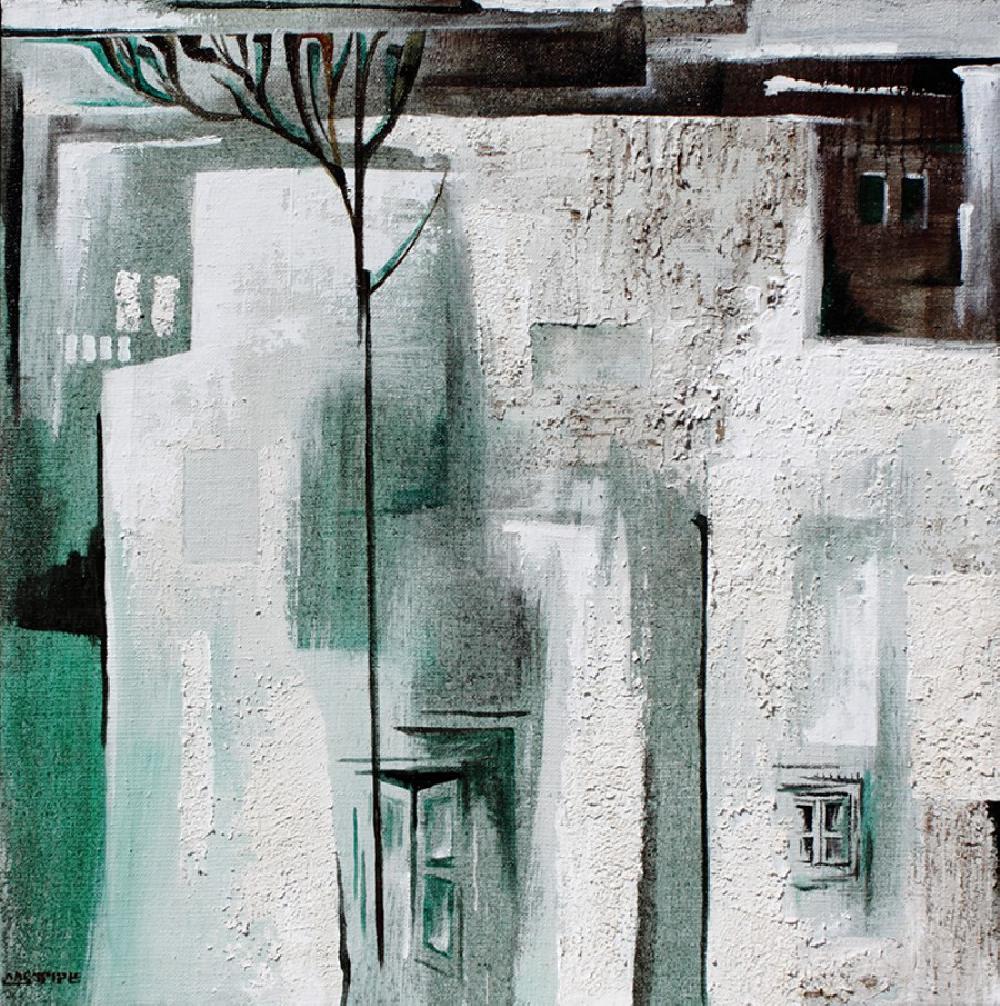
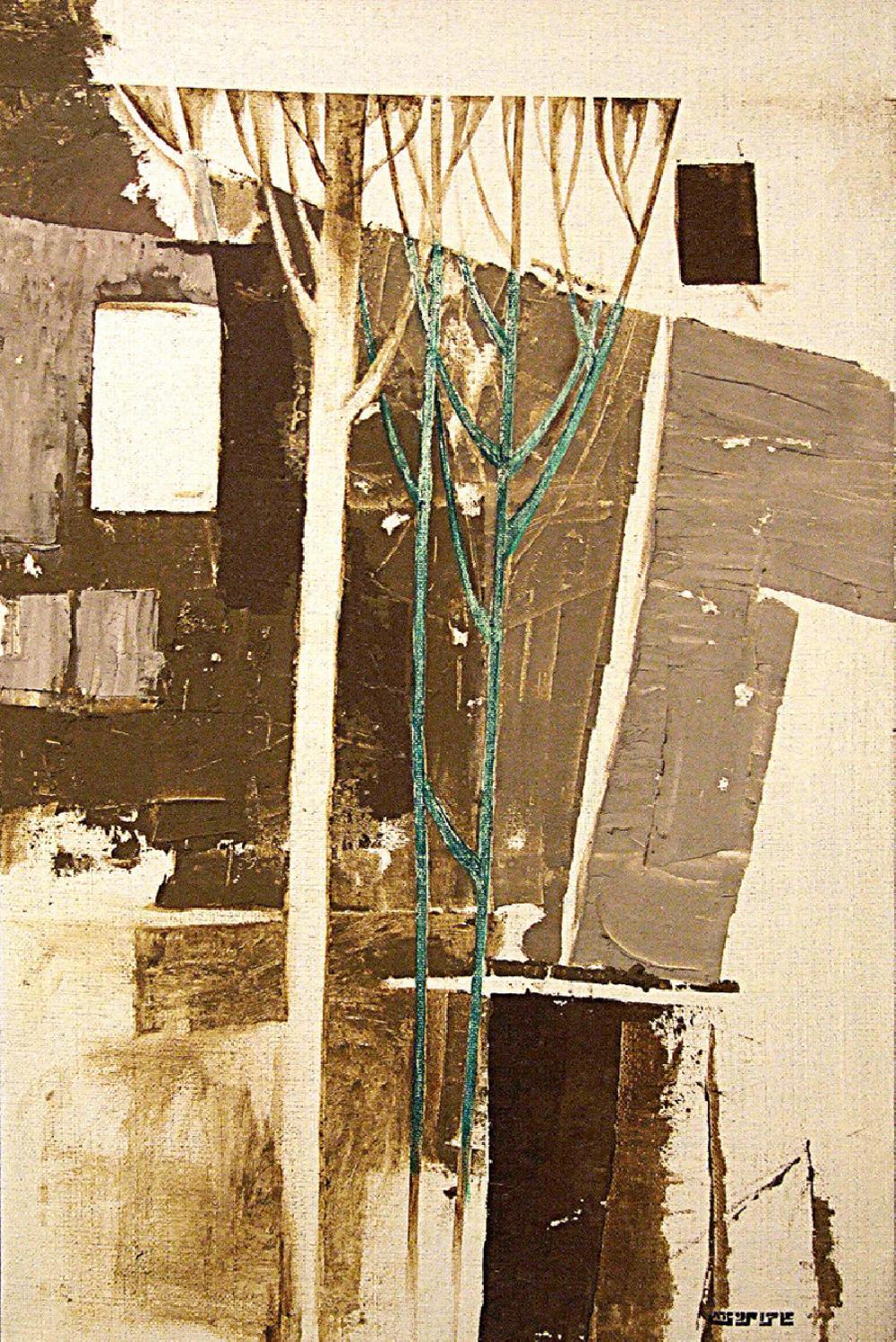
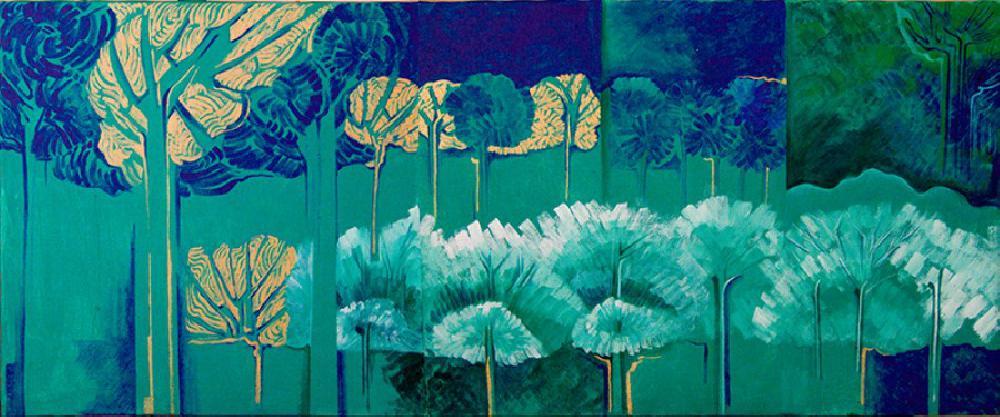
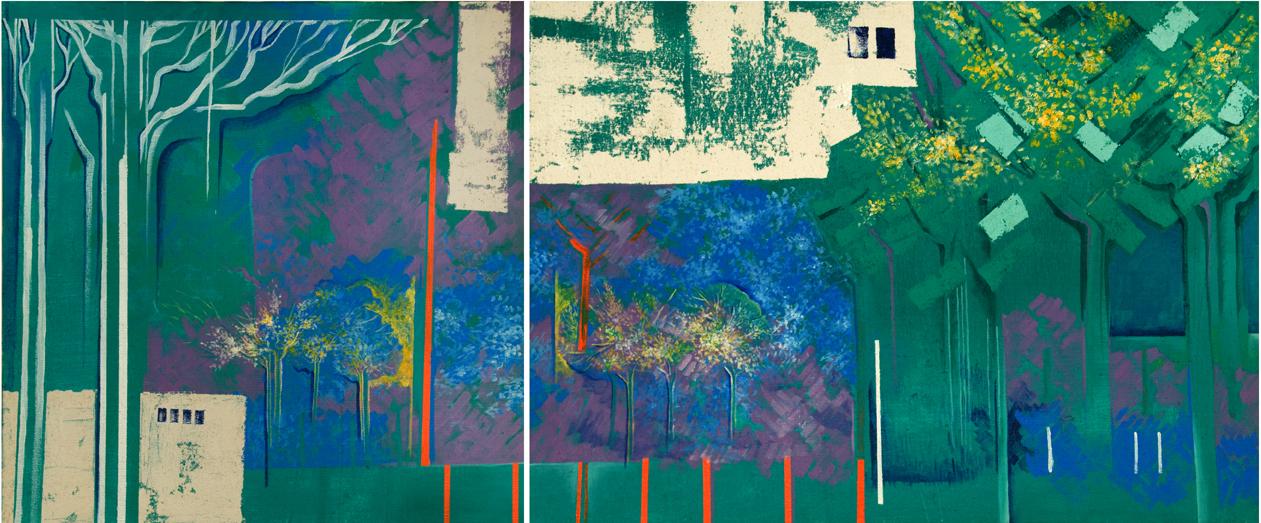
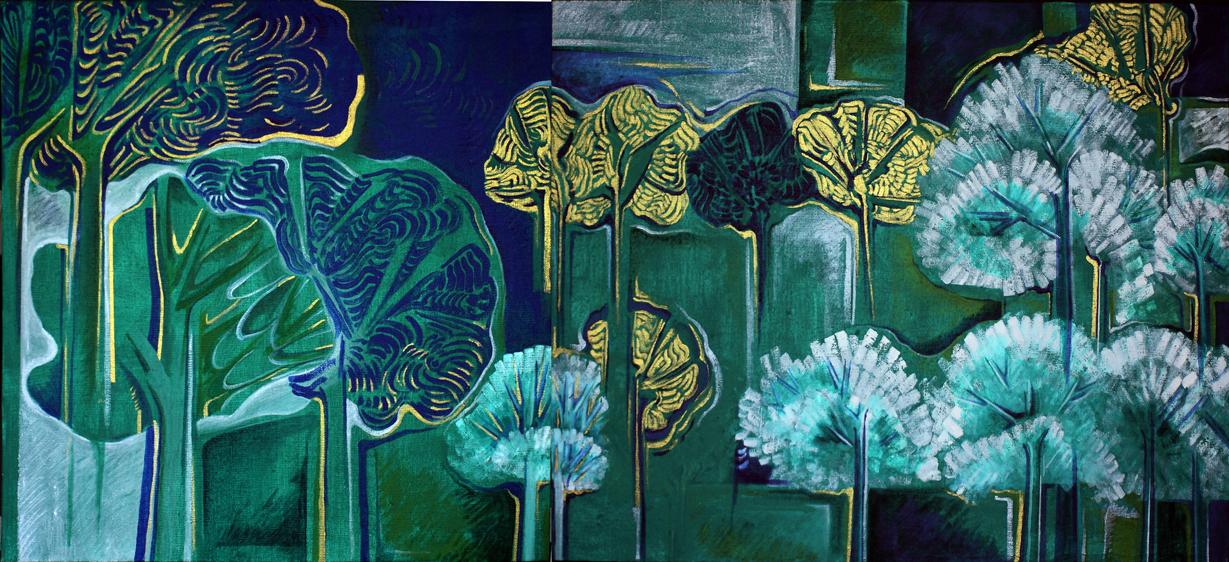
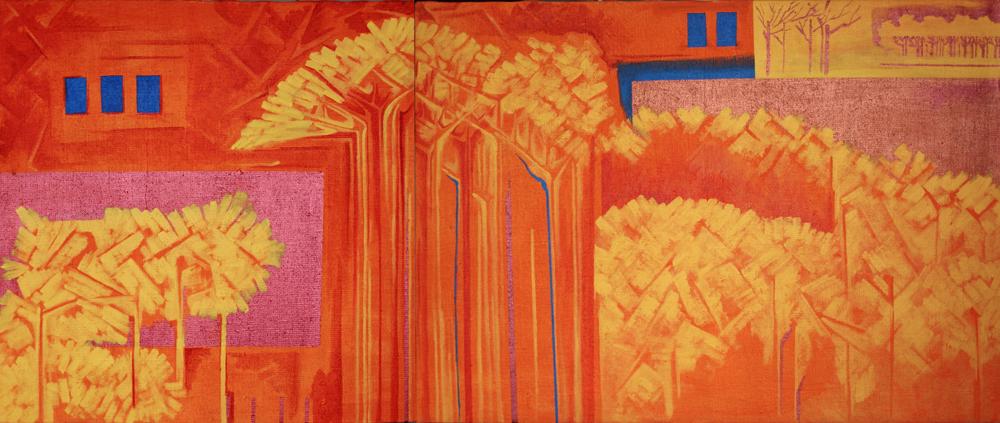
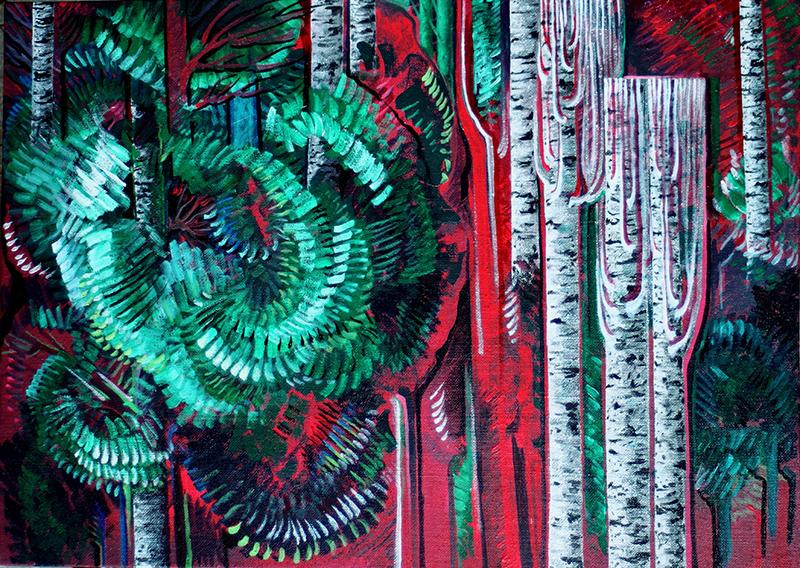
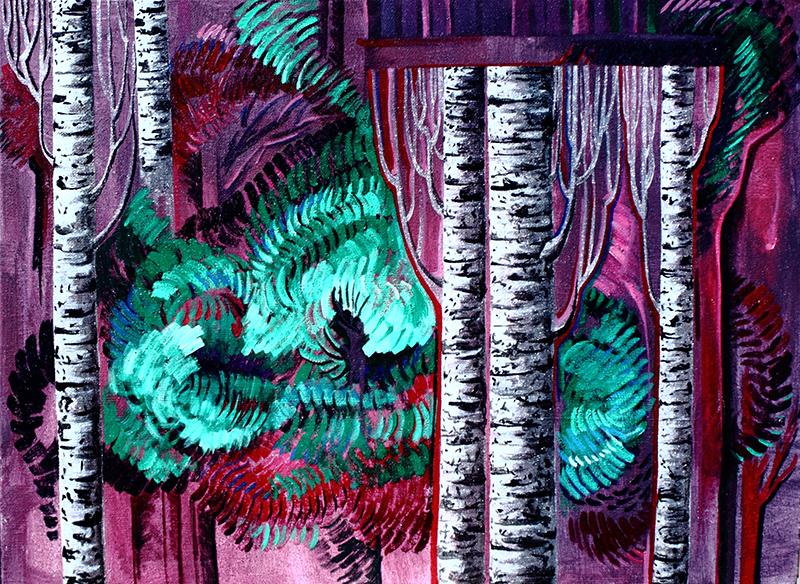
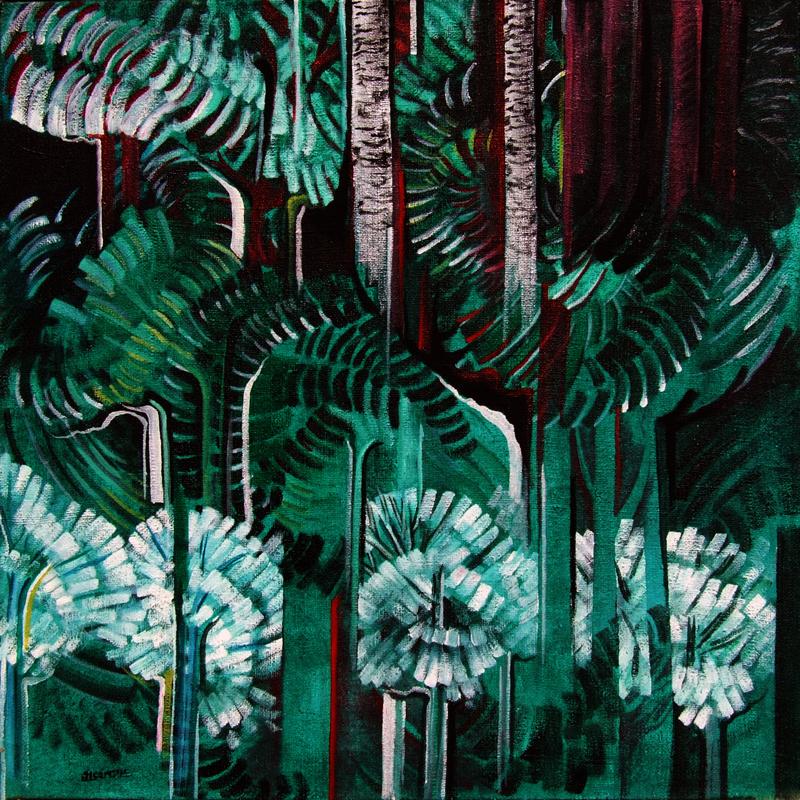
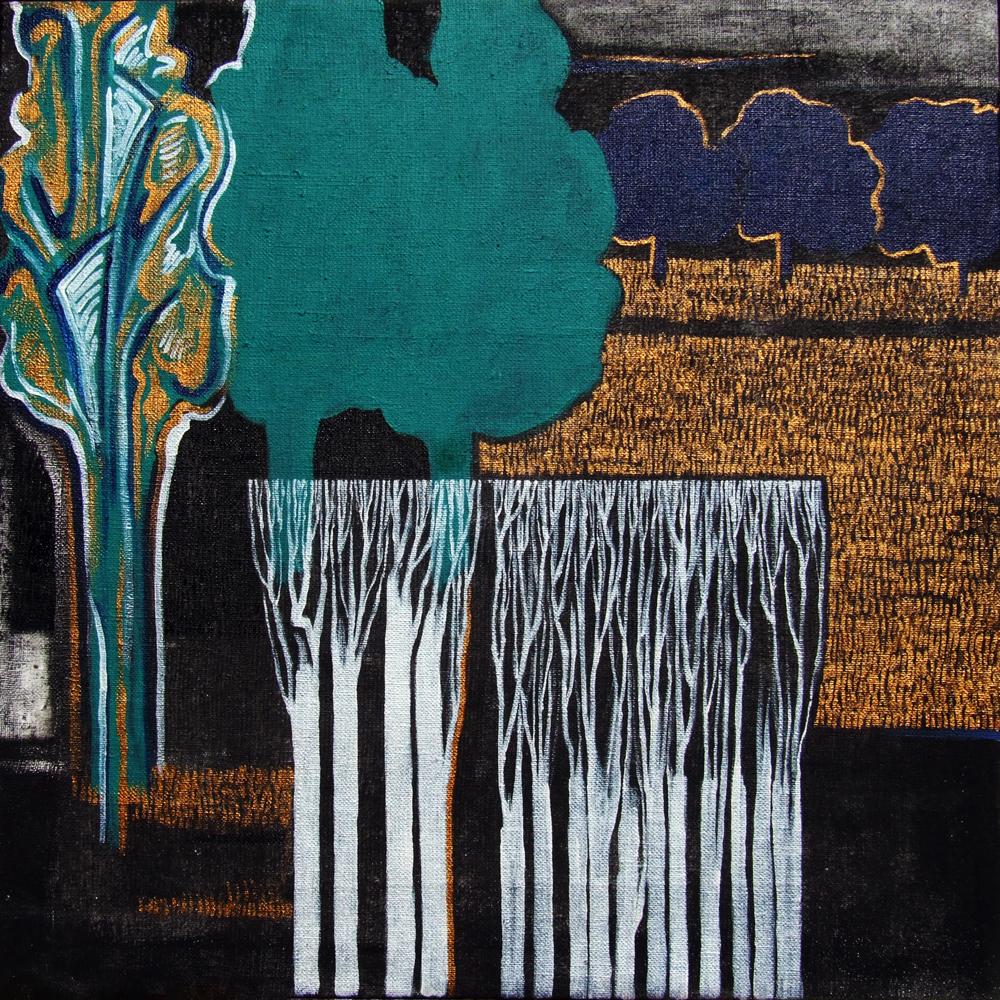
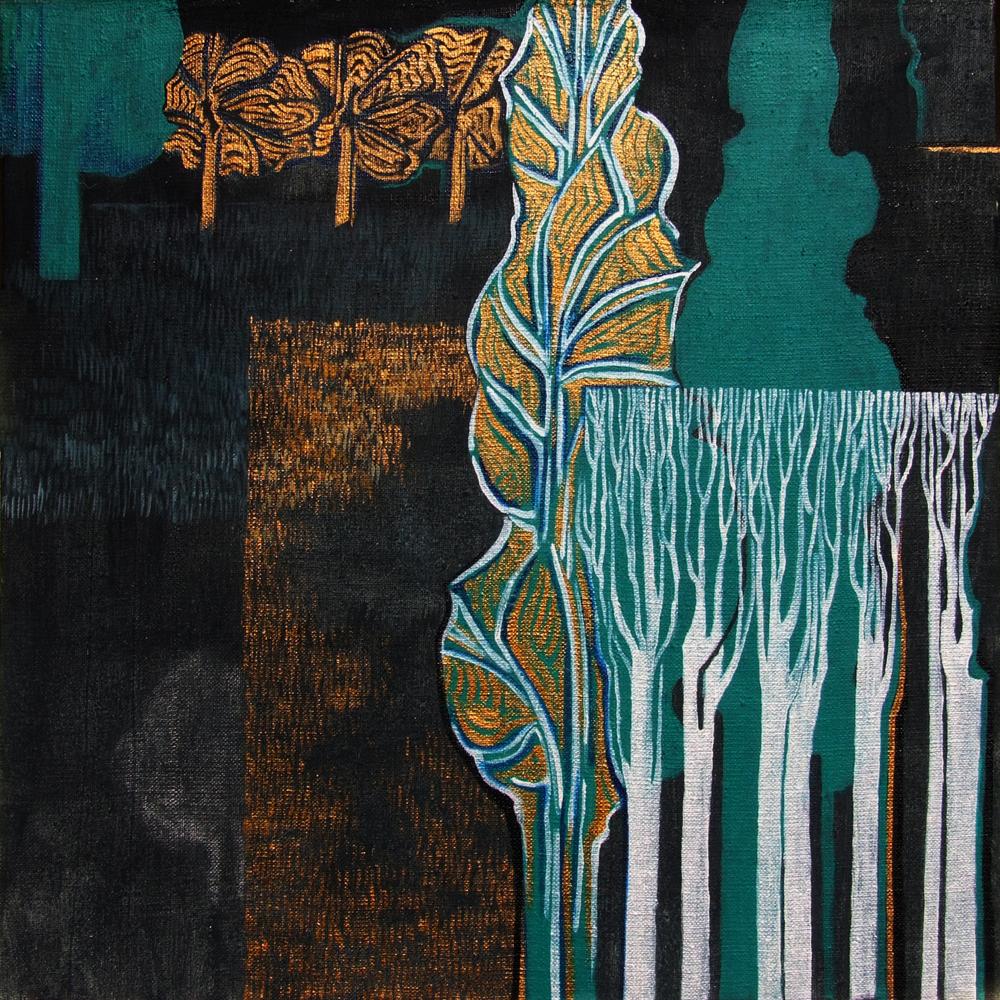
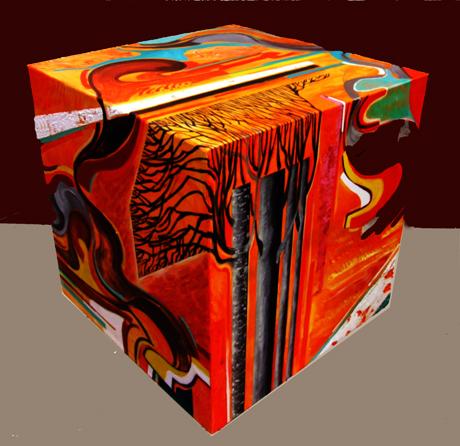
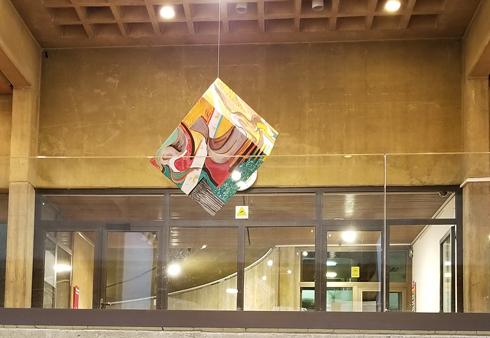
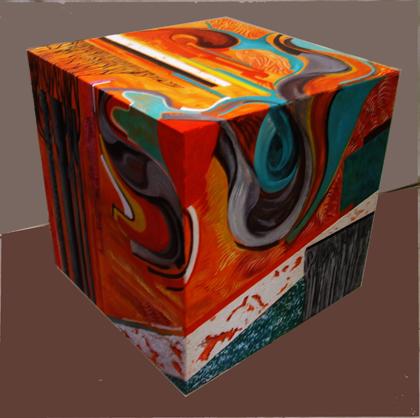
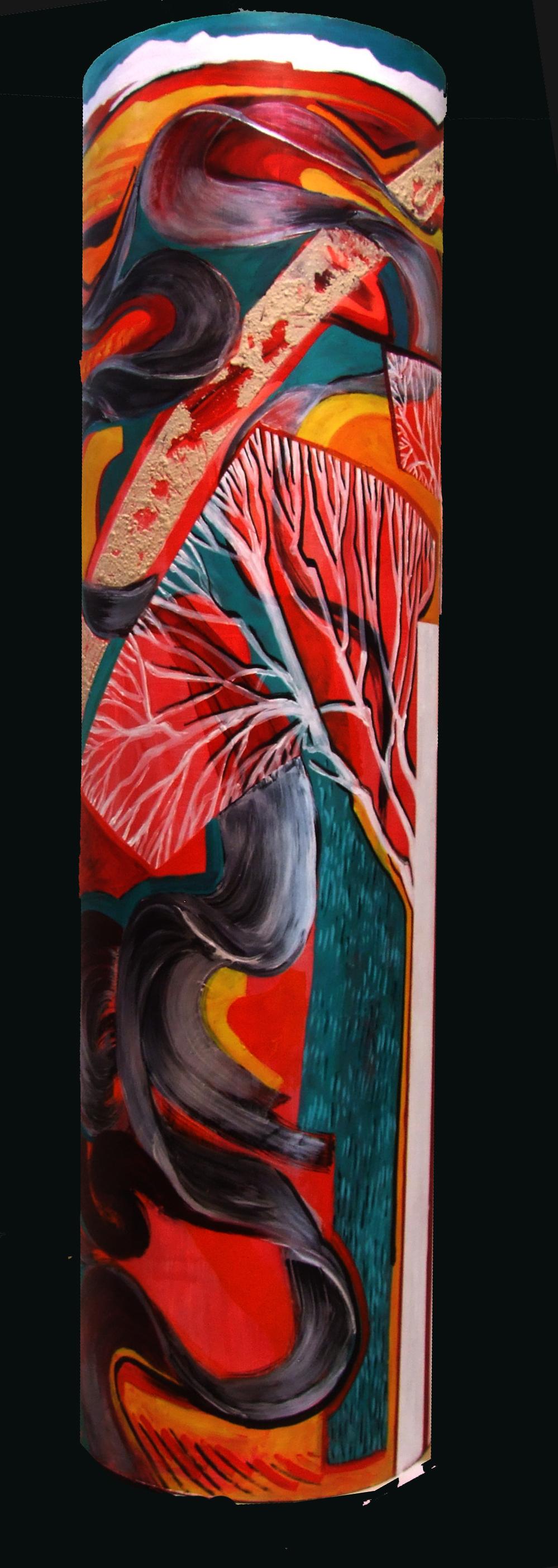
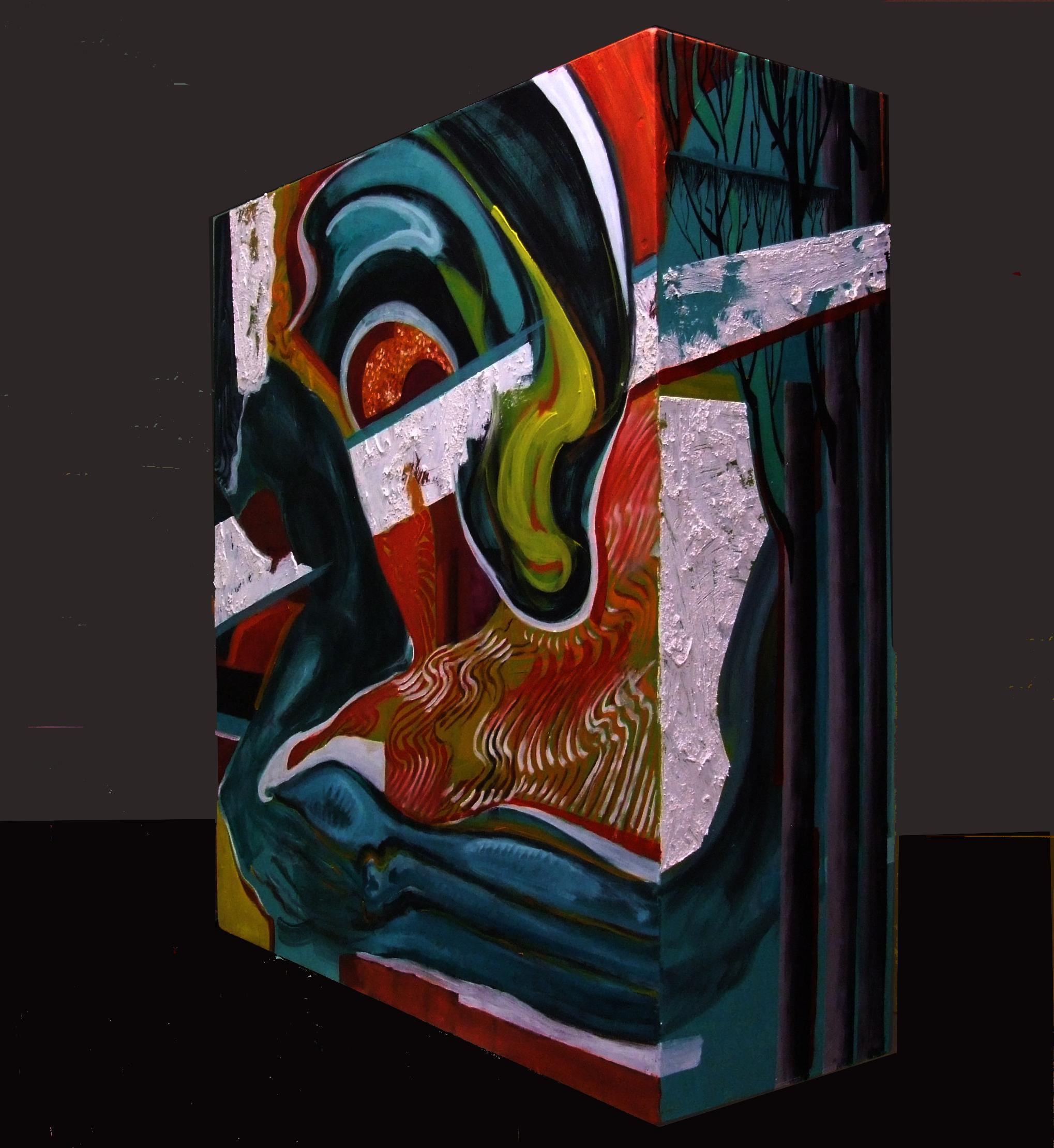
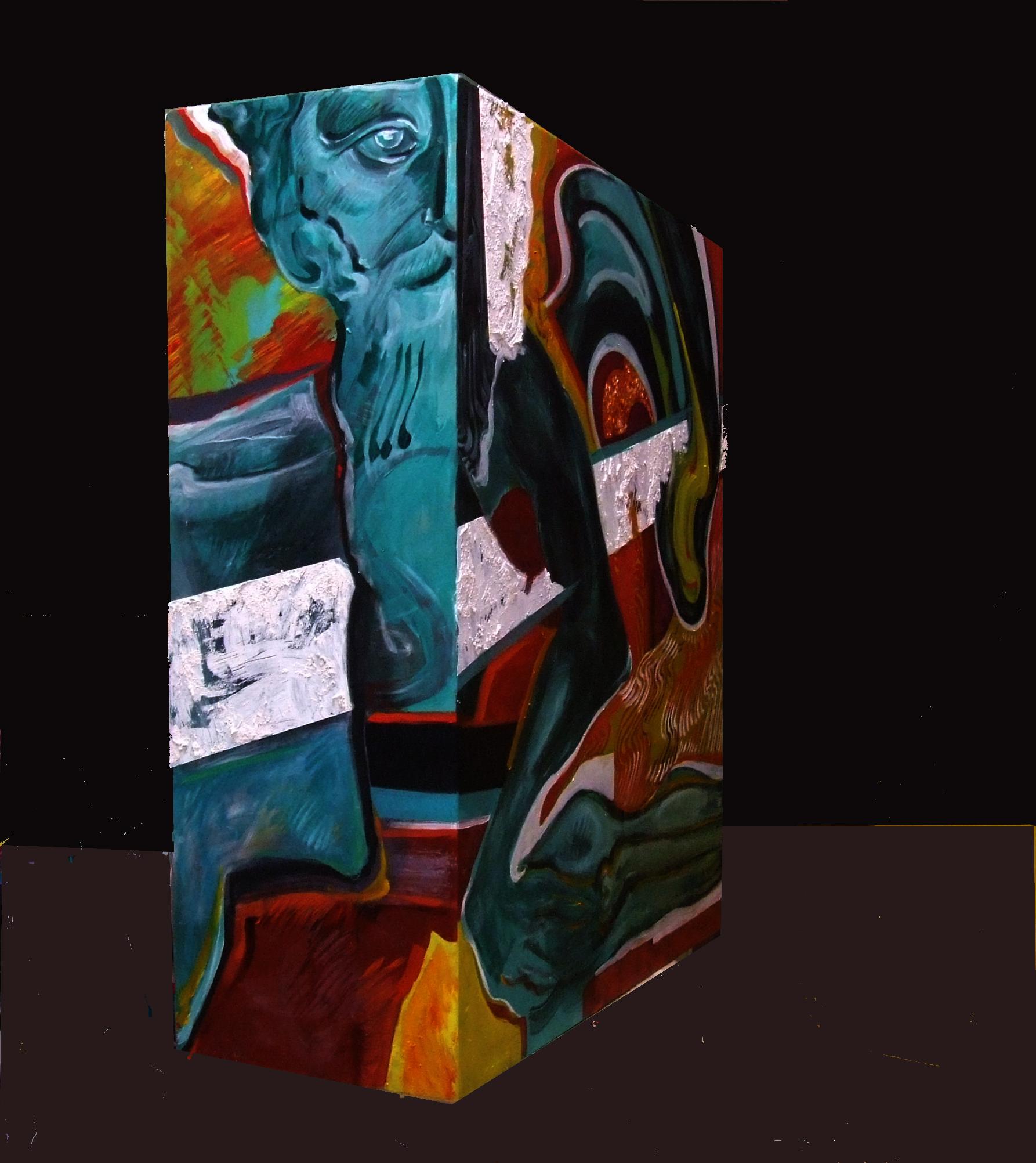
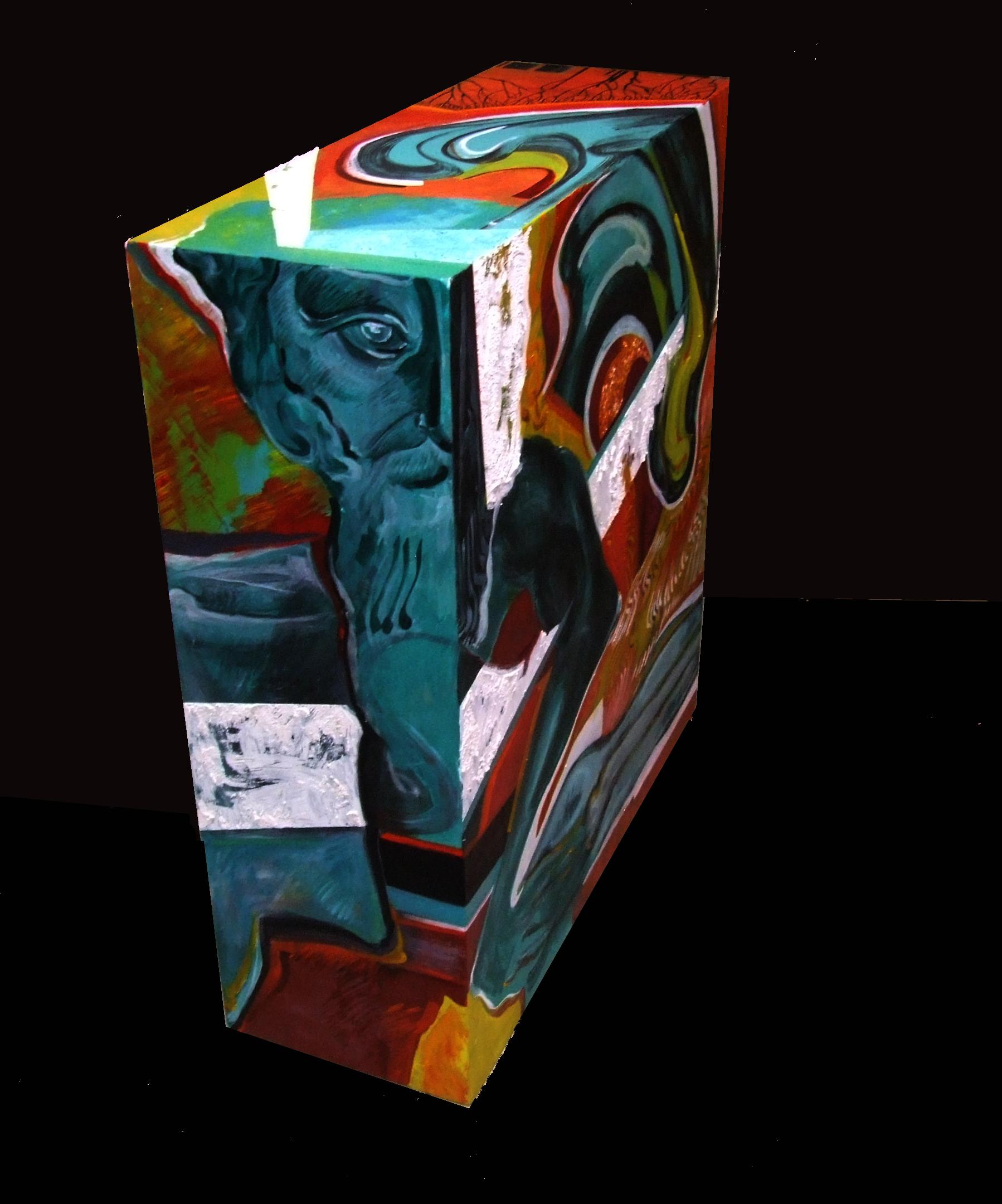
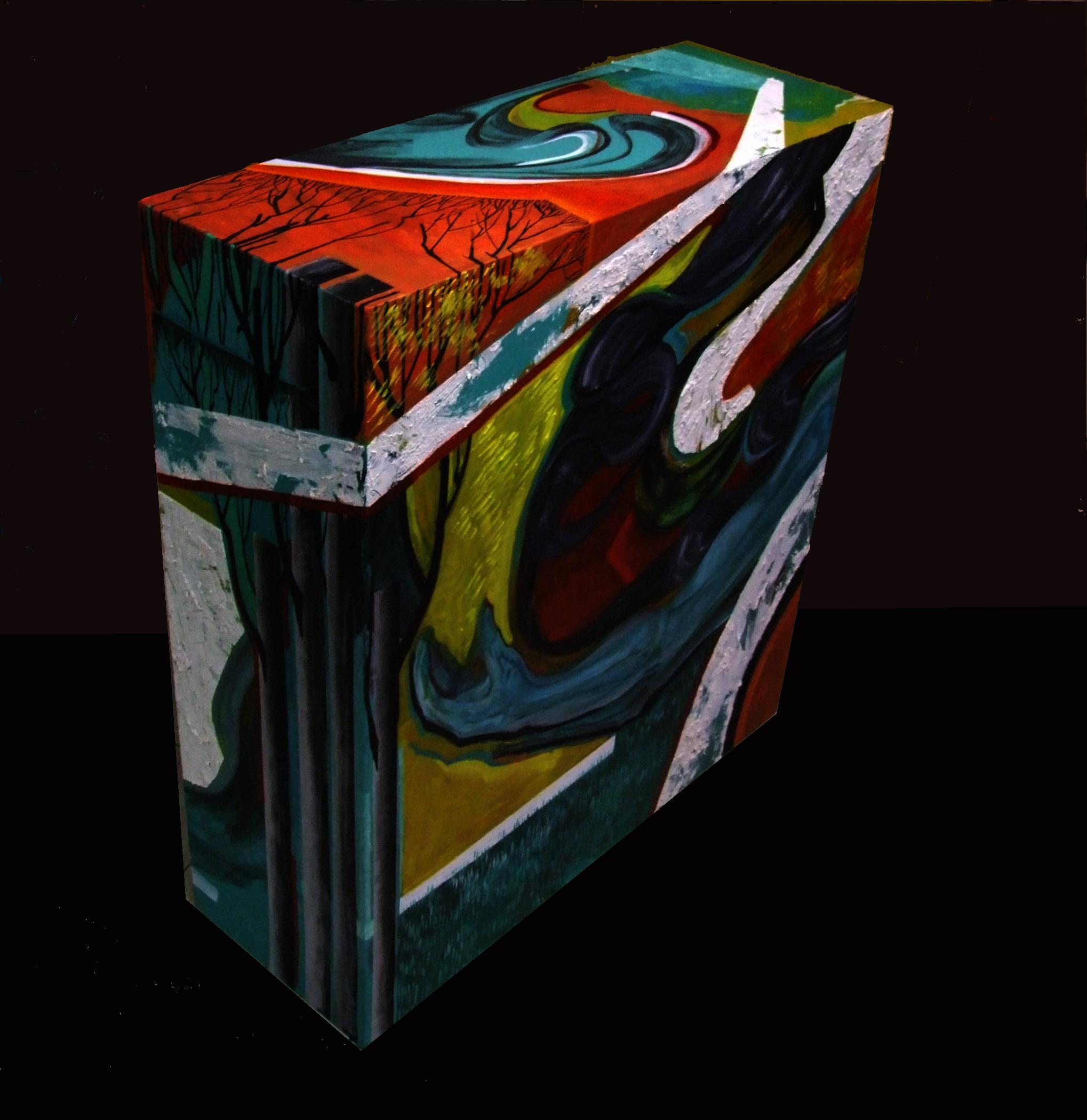
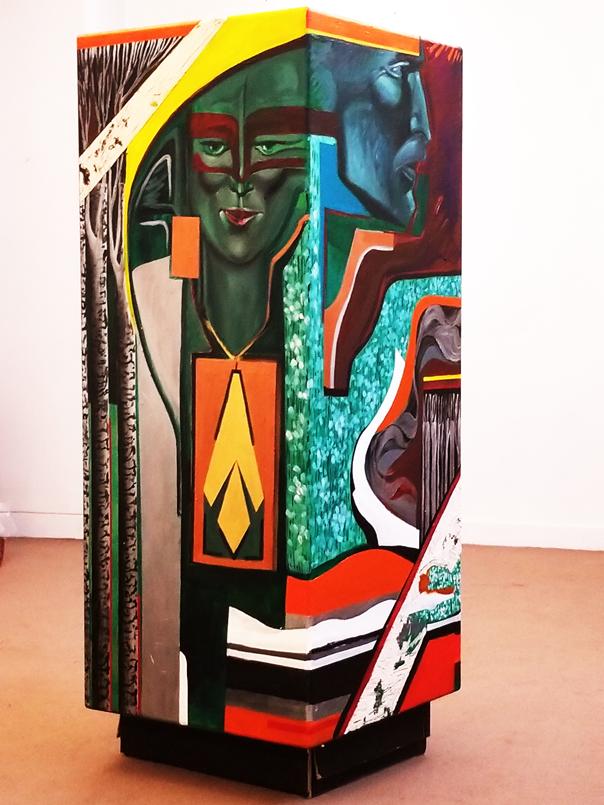
    The self-taught, innovative artist, resident of Iran, Ali Faramarzi presents some styles of modern painting, emotional images and insight conveyed through the forms of trees, walls, texture, paint density, lights and shades.

    Holding a two-week exhibition at Seyhoon Gallery in Los Angeles and giving a speech in Sokhan Society on the history of Iranian contemporary painting, Ali Faramarzi also delivered a speech along with a one-day training workshop convened at the invitation of the students of Stanford University in Northern California.

    Faramarzi opened his speech by giving a brief history of Iranian painting prior to and during Safavid era and explained about what happened to Iranian painting in this period. Afterwards he went to the issues such as influence of Iranian Constitutional Revolution on the Iranians and consequently on the artists viewpoint. Having discussed painting of 1960s as a significant, cultural decade, he addressed the condition of painting during 1979 Revolution and afterwards. He spoke about the influence of war and Revolution on the thought and cultural events and stated,

    I believe that these two elements caused a change in the traditional attitude toward art and released much potential into the artistic society of Iran. The flourishing of culture and painting today is rooted in the events of this era.

    Faramarzi exposed the characteristics of his drawings and use of texture during a one-day workshop, held at Stanford University and stated,

    delivering speech, I practically showed the discriminations between style and volume, and discussed the differences between miniature and three-dimensional western painting.

    The Painter of Iran’s Lost Landscapes

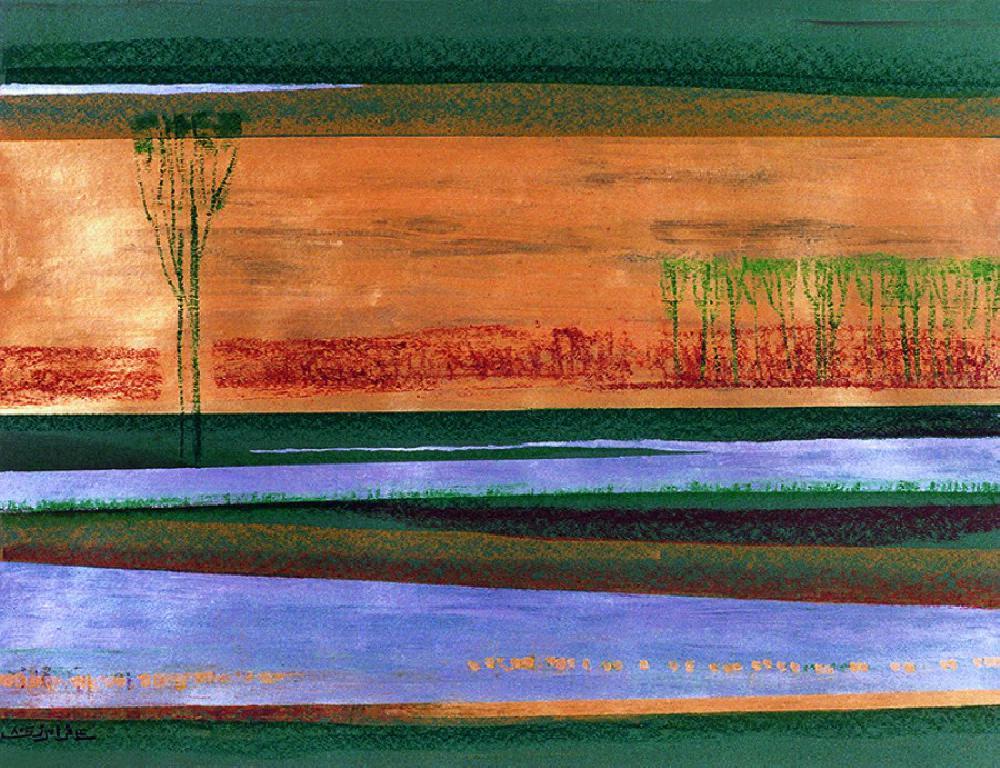
    In different stages of Ali Faramarzi’s career, sometimes you discern his tendency toward color and sometimes toward texture. Furthermore the affectionate rhythm and sense of movement, the excitement and passion within the work, display his exploration of innovative forms and novel shapes as well as avoidance of repetition. In the memory of these works, one can find out some traces of nostalgia for the old neighborhoods and painter s birthplace, and the attempt for revitalizing these forgotten natural landscapes out of the devouring urban environment.

    An Interview with Ali Faramarzi

    What mostly inspires you to start a new work, a thought or an emotion?

    It is not always the same. Sometimes before painting you have a conception of what you are to create. However what finally appears on the canvas may not be exactly the same as what you had imagined. Sometimes it is as like as writing a poem; you have a vague feeling and start seeking your inner self and approaching to that vague sense on the paper. Of course how much you succeed or fail and to what extend your first conception may change, all are unpredictable.

    The subject of most of your works is natural landscapes. Why do you find so much intimacy with these natural subjects?

    Landscape does not necessarily refer to the nature or trees, but to whatever is before our eyes. In different stages of my career, I’ve made attempt to be close to my landscape; living in the city I painted urban landscapes and addressed my problems in the city while in some stages, pursuant to my interest in nature, I have focused on nature, tried to get closer to it and depict it through my own impression.

    However the shapes of trees are dominant in your tableaus, even when you address urban environment, your main focus is on the nature rather than urban features.

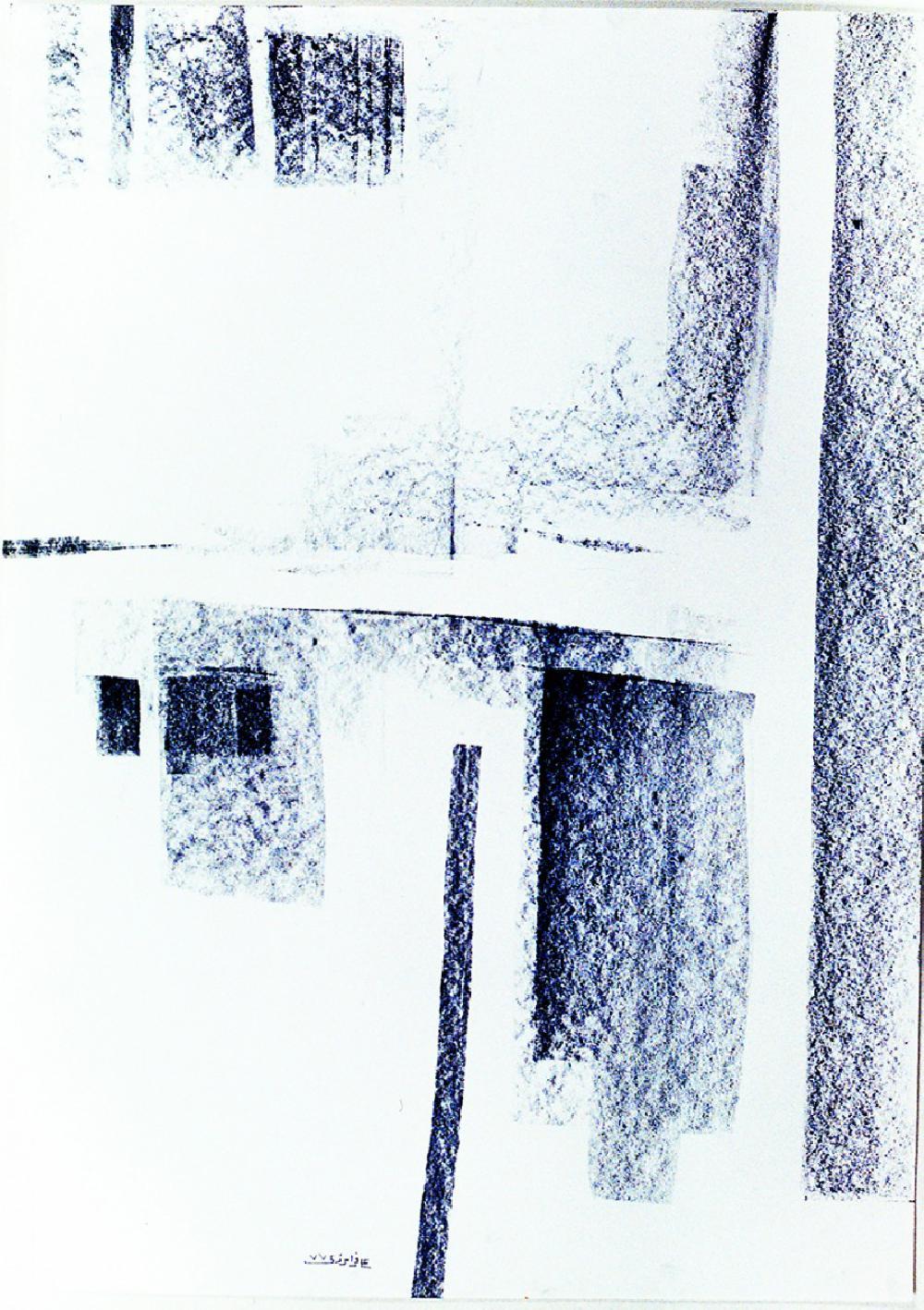
    You are right. Comparing these two parts of my works, what you will find more is nature in the sense of trees and natural landscapes. But this is not limited just to trees. Most often I have practiced with the surfaces; the surfaces mostly representing walls. However what is the most significant point in these searches and analysis is expressing a cultural sense beyond them. I did my best to follow my own cultural view or that of the society where I have grown in and get as close as possible to them using the simple tools and compositions. I have no pretension but I try to face honestly with my audience.

    Do you accept that in your paintings, form is the most significant element? Does not form dominate meaning in these works?

    The ultimate achievement of a work of art would be obtained when the artist succeeds in creating a harmony and unity between form, subject and his emotion. If this harmony was achieved in a work of art, then it would be a successful work capable of communicating with the audience, and if fails in this regard, then the work would have some defects.

    At present, after several decades of continuous artistic practice, what do you believe is the most important change in your method?

    I think this new stage, of which some instances was exhibited at Loss Angeles exhibition, enjoys some passion and excitement through which I have tried to be faithful to my own emotions and seek them; this passion and excitement required color contrast, some sense of movement and dynamism which are present in these works. I am a self-taught painter without any experience of academic studies. What I have for now is gained through experimenting different styles of painting. These quest and explorations may obviously seem different in some stages. However beyond them all I have sought to achieve what I needed to express as a painter.

    Biography of the Self-taught Painter Ali Faramarzi

    Ali Faramarzi was born in 1951 in Imamzadeh Yahya district, Tehran, and grew up in the maze of alleys of that district. Regarding Petgar as his guide to the world of art and painting he developed his painting techniques from the very beginning by drawing and painting nature.

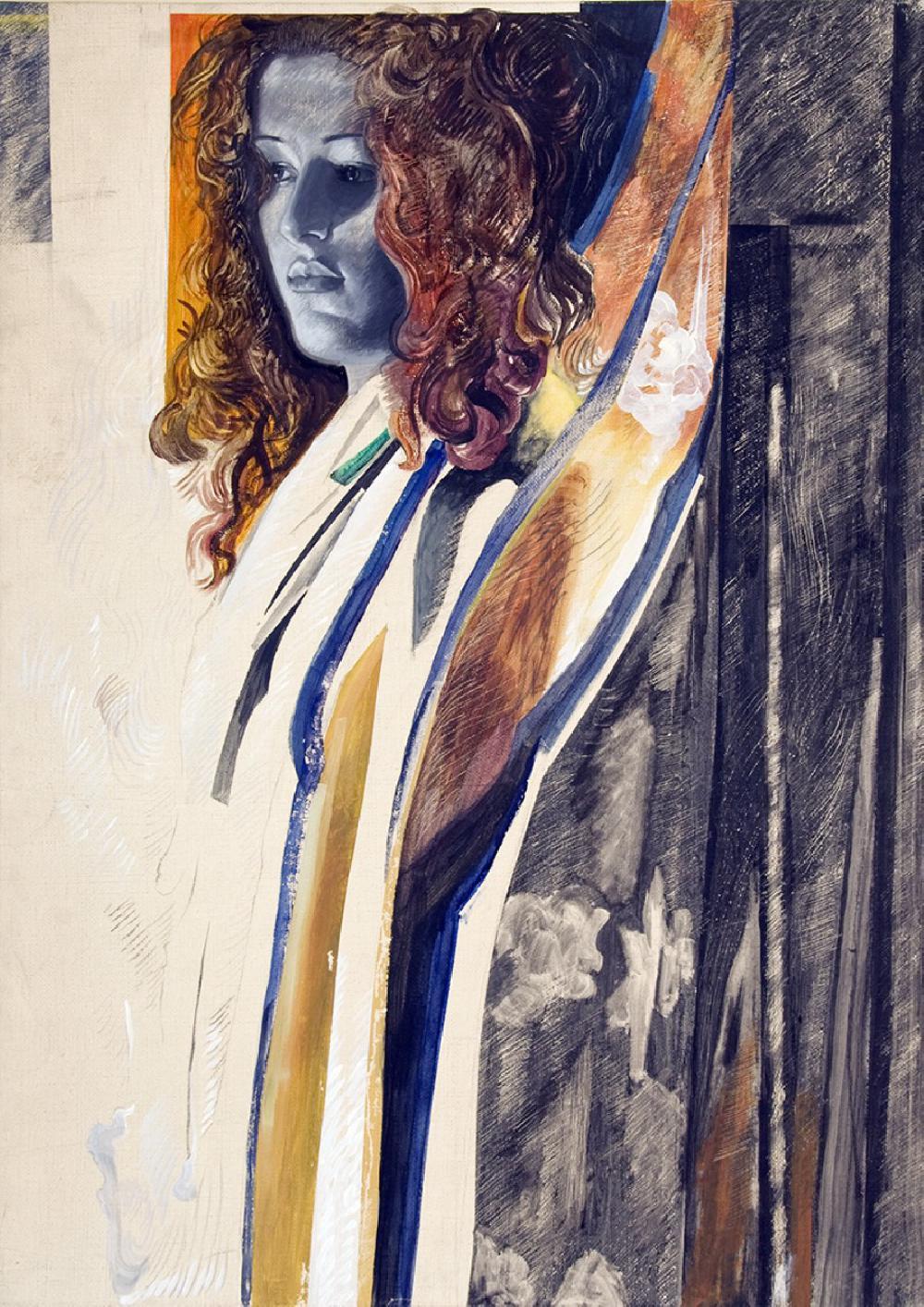
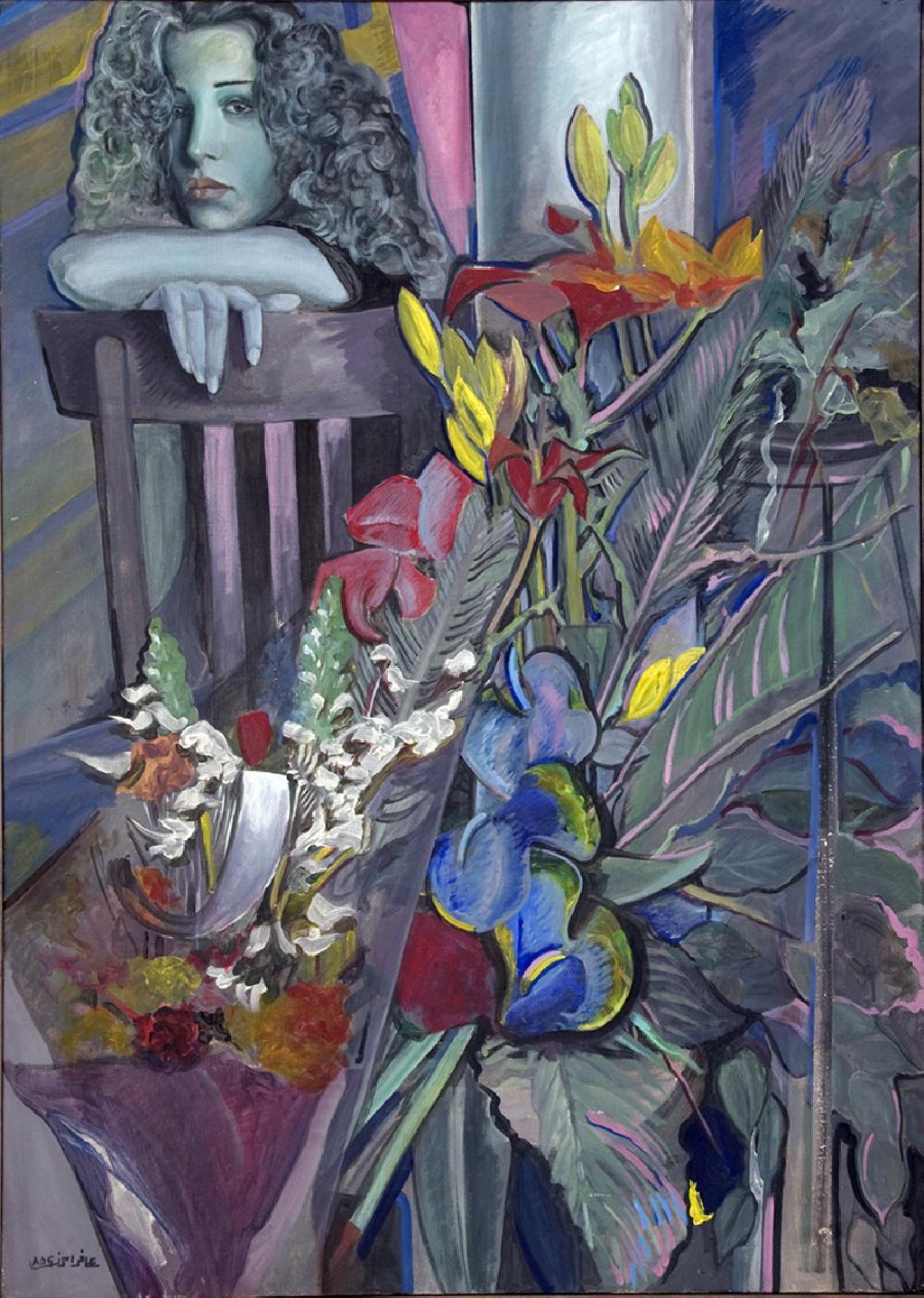
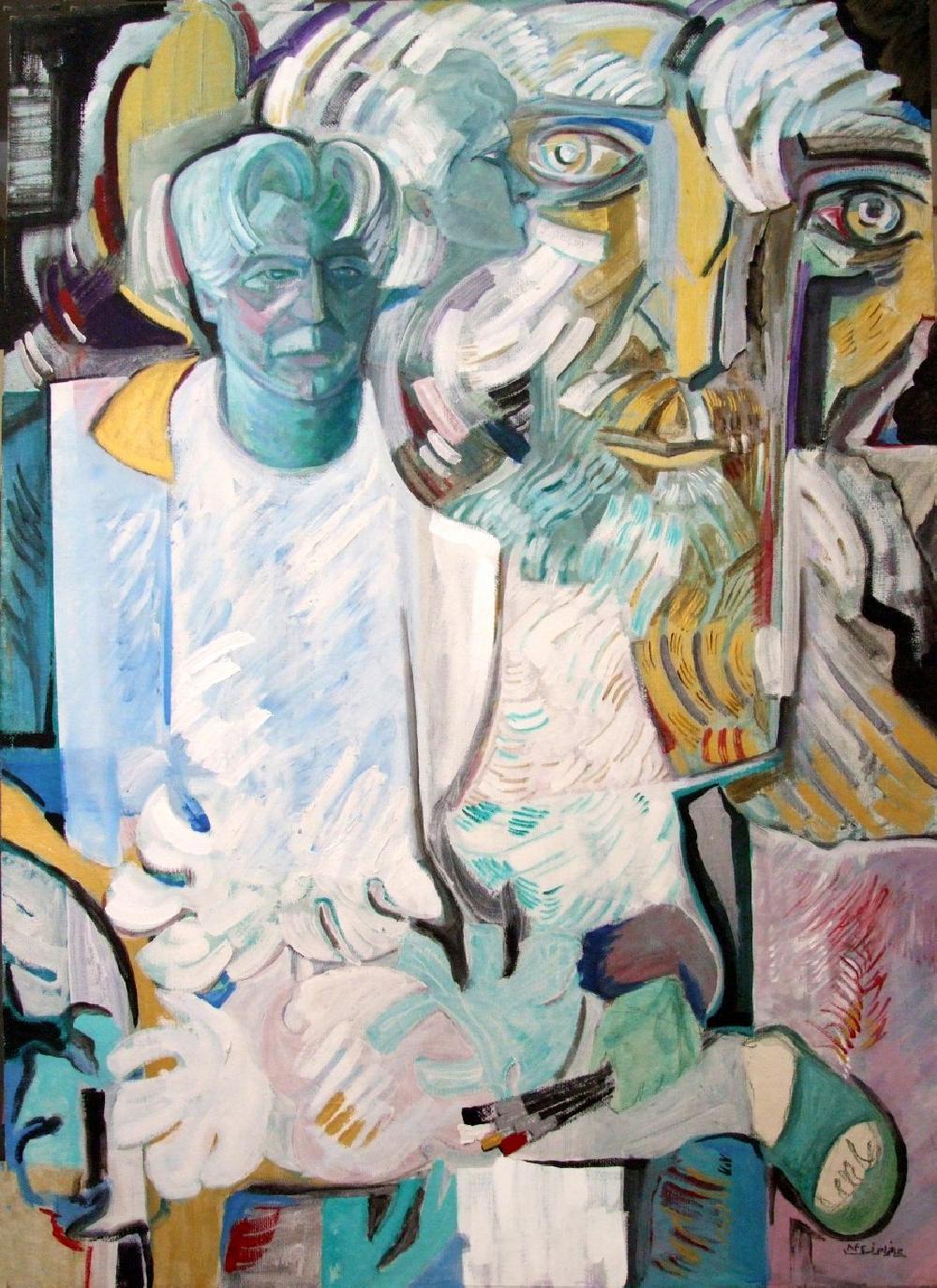
    A self-taught artist, Faramarzi learned from the impressionist artists that the object features change in changing lights. He learned from Cezanne (the French painter), to simplify nature into geometric forms. The symbolists disclosed the power of mental distortion to him and he learned architectural composition from Picasso.

    Faramarzi has attended several solo and group exhibitions: Italian Cultural Society, Niavaran Cultural Center, Faramarzi Gallery, Museum of Contemporary Art, Anar Cultural Center, Kosar Gallery, Barg Gallery, Contemporary Artists group exhibition at International Fair. This artist has already won two scholarships of Young Painters as well as the scholarship of Academy of Rome in Italy.

Contact

Get in Touch

fmovies
embedgooglemap.net
Please Fill Required Fields